What Wine Goes With Asado? A Pairing Guide for Argentine Live-Fire Beef
The honest answer to the asado wine question is not one bottle. It is a sequence, and it starts with smoke.
The coals go on hours before anyone is hungry. By the time the first guests reach the hilltop in Valley Center, the air already smells like oak embers and rendered fat, and the late-afternoon light has gone flat and gold across the vineyard rows. A guitar finds its first chord on the patio. On the grill, a thin cut of skirt steak hisses, darkens at the edges, and waits. This is the moment the wine question actually matters, and the answer is not the one most people expect.
Here is the short version, the one you can lift and quote. The best wine for Argentine asado is not a single bottle but a sequence of medium-to-full-bodied reds that match the live-fire char rather than fight it, led by Malbec, Tempranillo, and a structured Cabernet Sauvignon or Syrah for the fattier cuts. Asado is not one dish. It is a progression of grilled things, from blistered provoleta to charred octopus to a slab of ribeye pulled off the coals, and the smart move is to let the wine move with the meal instead of locking yourself to one glass.
That progression is the whole point, and it is why the pairing question rewards a little patience. Argentine grilling is a slow build, not a single plate dropped in front of you. Reading the rhythm of the meal is what tells you which wine to reach for and when.
What wine pairs best with Argentine asado?
The default answer in Argentina is Malbec, and the default is good for a reason. Malbec carries dark fruit, a soft plushness, and just enough tannin to scrub grilled fat off your palate between bites. Against a salt-crusted skirt steak with chimichurri, the herbal bite of the parsley and garlic sauce meets the wine's fruit, and the two lift each other.
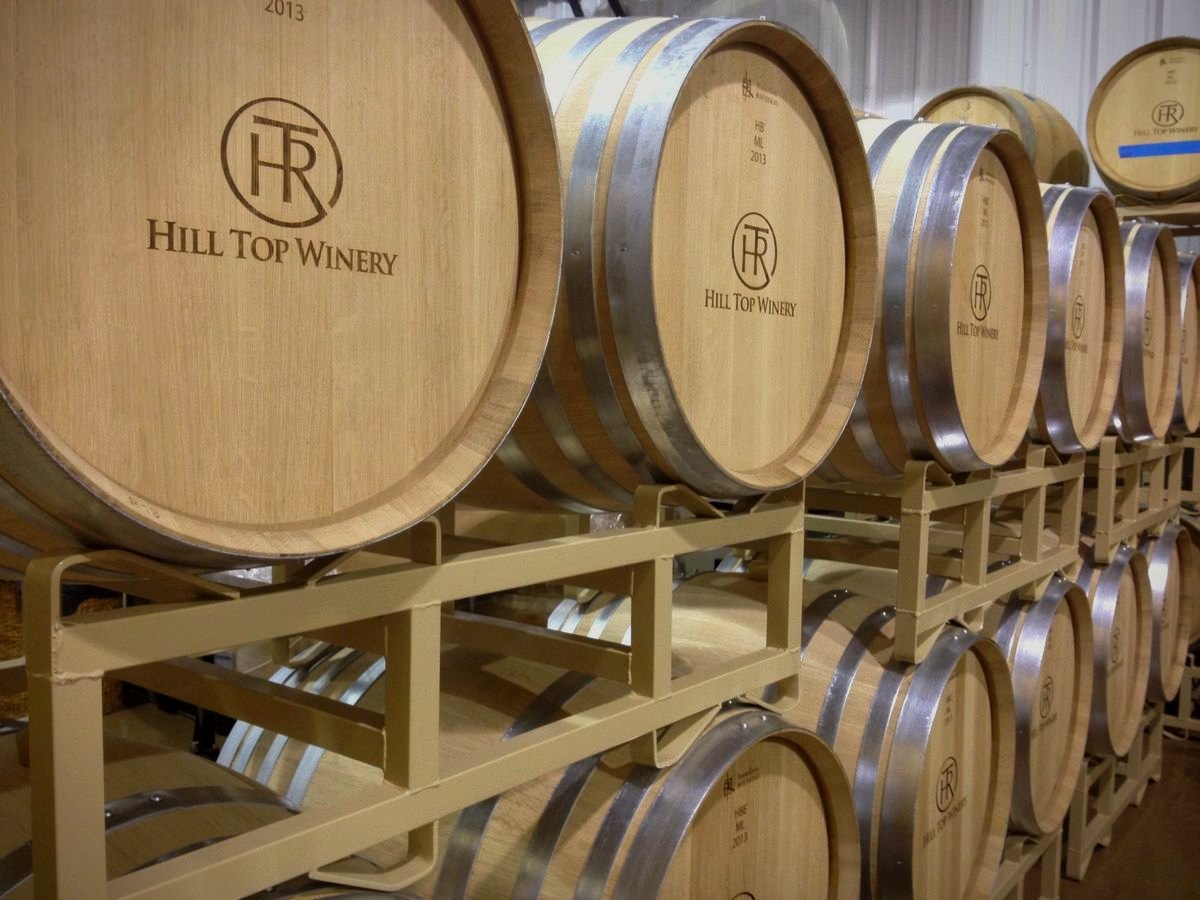
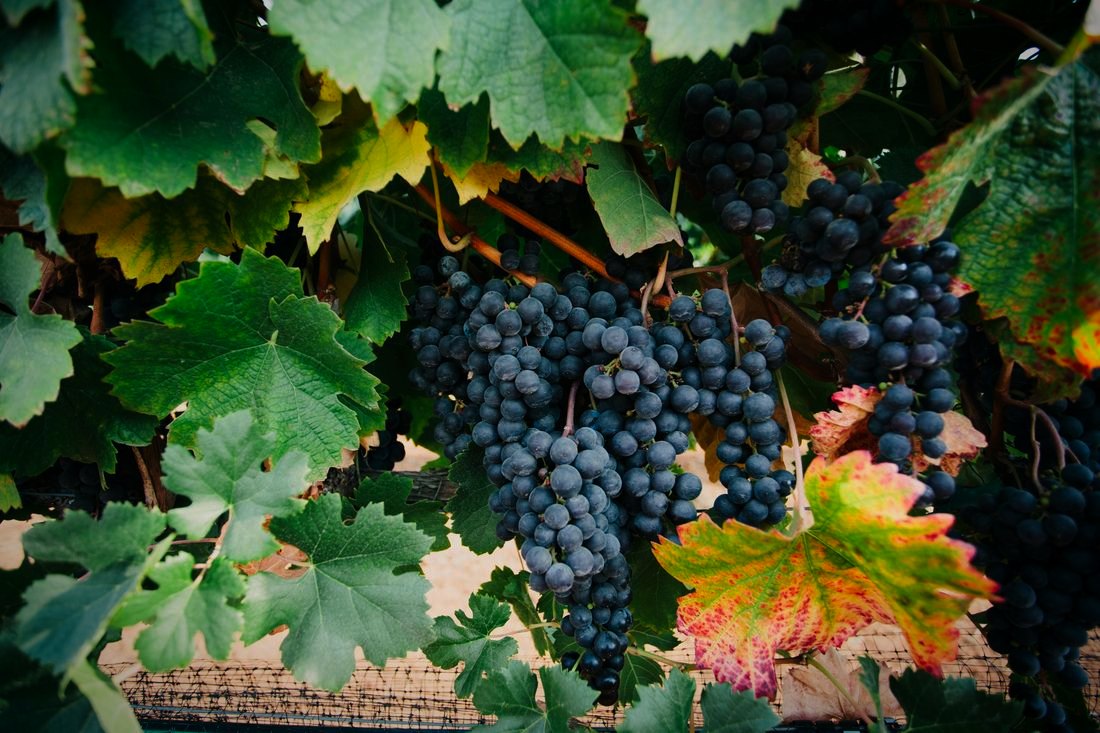
But Malbec is the opening argument, not the closing one. The deeper truth of asado pairing is about weight and char, not grape loyalty. A live-fire cut develops a bitter, smoky crust from the hardwood coals, and you want a red with enough body and ripe tannin to stand level with that crust. In North County San Diego, that opens the field to wines made from the same warm-climate fruit that thrives near Escondido and out toward Temecula: a dense Cabernet Sauvignon, a peppery Syrah, an earthy Tempranillo, a brambly Zinfandel. At Hill Top Winery, where Chef Pablo Ranea cooks a Mendoza-style asado on a vineyard hilltop, the wines poured alongside it are made in Valley Center itself, which makes the regional-fruit-meets-Argentine-technique pairing literal rather than theoretical.
The cook's logic behind the grill explains the wine logic. Thin cuts like skirt steak go fast and hot for a charred exterior and a juicy center. Thicker cuts like ribeye render slowly. The wine should track that same arc of intensity, getting bigger as the cuts get fattier.
Why does Tempranillo work with grilled octopus?
Tempranillo pairs with grilled octopus because its savory, leather-and-cherry character and moderate tannin meet the smoke of the char without flattening the briny sweetness of the octopus underneath. This is the pairing that surprises people, and it is worth slowing down for.
Grilled octopus is a textural trick: tender inside, lightly crisped and smoky where the tentacle met the grate. Reach for a heavy Cabernet here and the wine bulldozes the dish. Reach for a crisp white and you lose the smoke entirely. Tempranillo splits the difference. It has the earthiness to shake hands with the char and enough red-fruit lift to keep the octopus tasting like the ocean rather than like ash. It reads as counterintuitive on paper and obvious the moment it is in front of you.
The same instinct applies to provoleta, the disc of provolone grilled until the outside blisters and the inside goes molten. Provoleta is rich, salty, and faintly bitter at the charred edge. A bright red with acidity, a Sangiovese or a lighter pour of Tempranillo, cuts through the melted cheese the way a squeeze of lemon would. A flabby, overripe wine just adds weight to weight.
A cut-by-cut pairing guide for asado
Different cuts ask for different wines. Here is how the table tends to move across an asado, from first plate to last.
| Dish | What is happening on the grill | Pour this |
|---|---|---|
| Provoleta | Provolone blistered, molten center, salty char | Sangiovese or a bright Tempranillo for acidity |
| Grilled octopus | Crisped edges, smoky, briny-sweet inside | Tempranillo, savory and medium-bodied |
| Empanadas (chorizo, veggie, salteña, mendocina) | Hand-folded, salsa criolla and llajua alongside | Malbec or Ranch House Red, fruit-forward and easy |
| Uruguayan skirt steak | Thin, fast, hard char, chimichurri | Malbec or Syrah, plush with herbal lift |
| Argentinian ribeye | Thick, slow-rendered, deeply fatty | Cabernet Sauvignon, full tannin to cut the fat |
| Dulce de leche flan | Burnt-caramel, wobbling, cold | A late pour of Zinfandel, or simply coffee |
The empanadas deserve their own note because they usually come first and they set the tone. Hill Top's are handmade in four fillings: chorizo, veggie, salteña, and mendocina, served with salsa criolla and the Bolivian chili sauce llajua. The salteña runs slightly sweet and soupy, the chorizo savory and spiced. A fruit-forward red like a Malbec or a Ranch House Red blend has the generosity to handle all four without anyone switching glasses mid-basket. The llajua brings real heat, so a wine with ripe fruit and moderate tannin softens the burn better than a tannic, high-alcohol bottle, which would only stoke it.
Should you ever drink white wine with asado?
Yes, white wine has a real place at an asado, just not at the center of the table. A crisp Viognier or Pinot Gris works as a palate reset before the red meat arrives, and it genuinely shines against the lighter, brighter parts of the meal: the salsa criolla on an empanada, a forkful of provoleta, the first smoky bite of octopus. A chilled white on a warm patio also does something a red cannot, which is to taste like relief.
The honest caveat is that white wine fades once the ribeye lands. By the time you are into the fatty, slow-cooked cuts, you want tannin and body, and that is red-wine territory. Think of the white as the overture. A dry rosé splits the difference nicely and tends to carry further into the meal than a delicate white, which makes it the safe pour for a table that cannot agree.
How the meal actually unfolds on the patio
Pairing theory is tidy. A real asado is not. A flavor of empanada sells out sometimes, usually the salteña, and you order what is left and you are happy about it. The patio cools fast after the sun drops behind the vineyard, so the second half of the meal, the ribeye and the bigger reds, arrives right as you are reaching for a jacket. That is not a flaw in the evening. It is the shape of it.
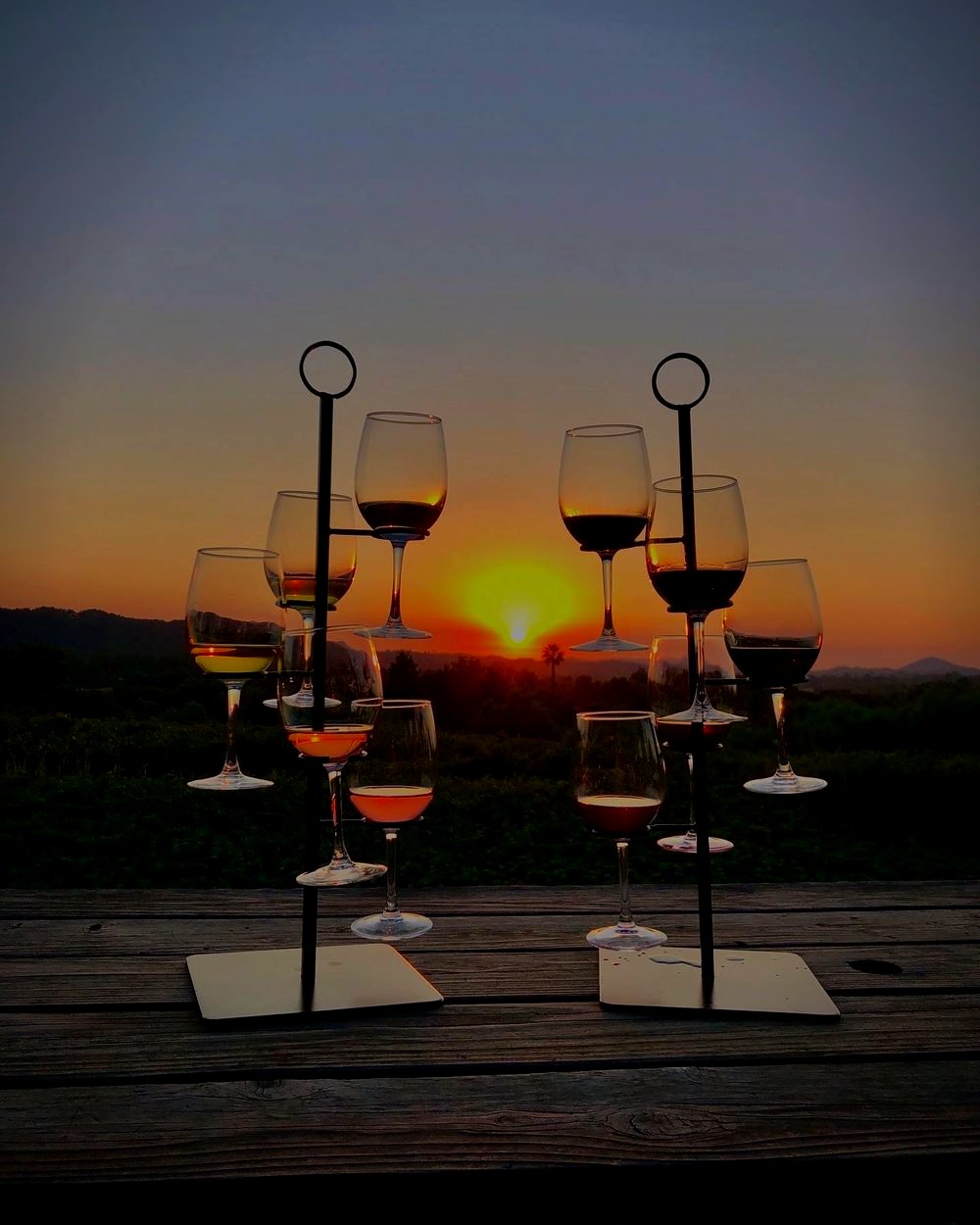
On Saturdays the live music runs 4:30 to 7:30 PM, which means the heavier cuts and the fuller reds land squarely in the golden hour, guitar still going, the Valley Center hills turning violet behind the rows. The handmade orecchiette shows up for the table that wants something between the empanadas and the steak, and it pairs cleanly with the same medium reds as the lighter grilled plates. By the time the dulce de leche flan arrives, cold and wobbling and tasting of burnt caramel, most people have stopped pairing and started lingering, which is exactly when a meal stops being about the food and starts being about the table.
That is the real answer to what wine goes with asado. Start with a bright glass while the coals settle. Move to Malbec with the empanadas and the skirt steak. Find the Tempranillo when the octopus comes off the grill. Open the Cabernet for the ribeye. And when the flan lands and the last chord fades into the dark, you will notice your glass is empty and that you do not particularly want to leave.
If you want to taste the sequence the way it is meant to run, Hill Top serves its Argentine asado Thursday through Sunday on the hilltop at 30801 Valley Center Road, about 45 minutes from downtown San Diego. The live music is every Saturday at sunset. Reserve a table, order the empanadas first, and let the wine follow the smoke.
Frequently asked
What is the best wine for Argentine asado?
There is no single best bottle. Asado is a progression of grilled dishes, so the best approach is a sequence of medium-to-full-bodied reds. Malbec leads for empanadas and skirt steak, Tempranillo suits grilled octopus, and a structured Cabernet Sauvignon or Syrah handles the fattier ribeye.
Does Malbec really pair best with grilled beef?
Malbec is the Argentine default and a strong choice for charred skirt steak with chimichurri, because its dark fruit and soft tannin scrub grilled fat off the palate. For very fatty, slow-rendered cuts like ribeye, a fuller Cabernet Sauvignon often holds up better.
Can you drink white wine with asado?
Yes, as an opener rather than the main pour. A crisp Viognier, Pinot Gris, or dry rosé pairs well with provoleta, salsa criolla, and grilled octopus, but red wine takes over once the heavier, fattier cuts arrive.
Where can I eat Argentine asado near Escondido in San Diego?
Hill Top Winery serves a Mendoza-style Argentine asado on a vineyard hilltop in Valley Center, California, in North County San Diego near Escondido, about 45 minutes from downtown San Diego. It is open Thursday through Sunday at 30801 Valley Center Road, with live music every Saturday from 4:30 to 7:30 PM.
What wine goes with grilled octopus?
Tempranillo is an excellent match for grilled octopus, because its savory, earthy character and moderate tannin meet the smoky char without overpowering the briny-sweet flesh underneath. A heavy Cabernet tends to bulldoze the dish, and a delicate white loses the smoke.
Argentine fire, Valley Center roots
Taste it on the hilltop.
Live-fire Argentine cooking by Chef Pablo Ranea, paired with Hill Top wine and a sunset over the vines.