North County San Diego Wine Country: A Field Guide to Valley Center's Granite and Reds
The soil is decomposed granite, the elevation clears 1,000 feet, and the grapes are mostly reds the Temecula crowd drives past. Here is how the land north of Escondido became wine country, and what to drink when you get there.
Crouch in a Valley Center vineyard row in late June and run a handful of topsoil through your fingers. It does not clump. It falls apart into pale, gritty crumbs the color of weak coffee, flecked with quartz that catches the light. This is decomposed granite, the bedrock of the Peninsular Ranges broken down over millions of years, and it is the single most important fact about wine in this corner of North County San Diego. Water drains through it fast. Vines have to dig. The fruit comes out small, concentrated, and a little defiant.
Valley Center is a hilltop farming community in North County San Diego, about 45 minutes north of downtown San Diego and roughly 20 minutes northeast of Escondido, where granite soils and an elevation well above 1,000 feet produce mostly red wine grapes: Tempranillo, Syrah, Cabernet Sauvignon, Merlot, Sangiovese, and Zinfandel. It is Temecula-adjacent without being Temecula. There are no tour buses idling in gravel lots out here, no strip of forty tasting rooms. There are citrus and avocado groves, the occasional vineyard tucked into a south-facing slope, and a wine scene that rewards anyone willing to drive the last twisting miles.
This is a field guide to that landscape: why the dirt matters, which grapes earn their place in it, and how to spend an afternoon here without treating it like a checklist.
Why does Valley Center grow good wine grapes?
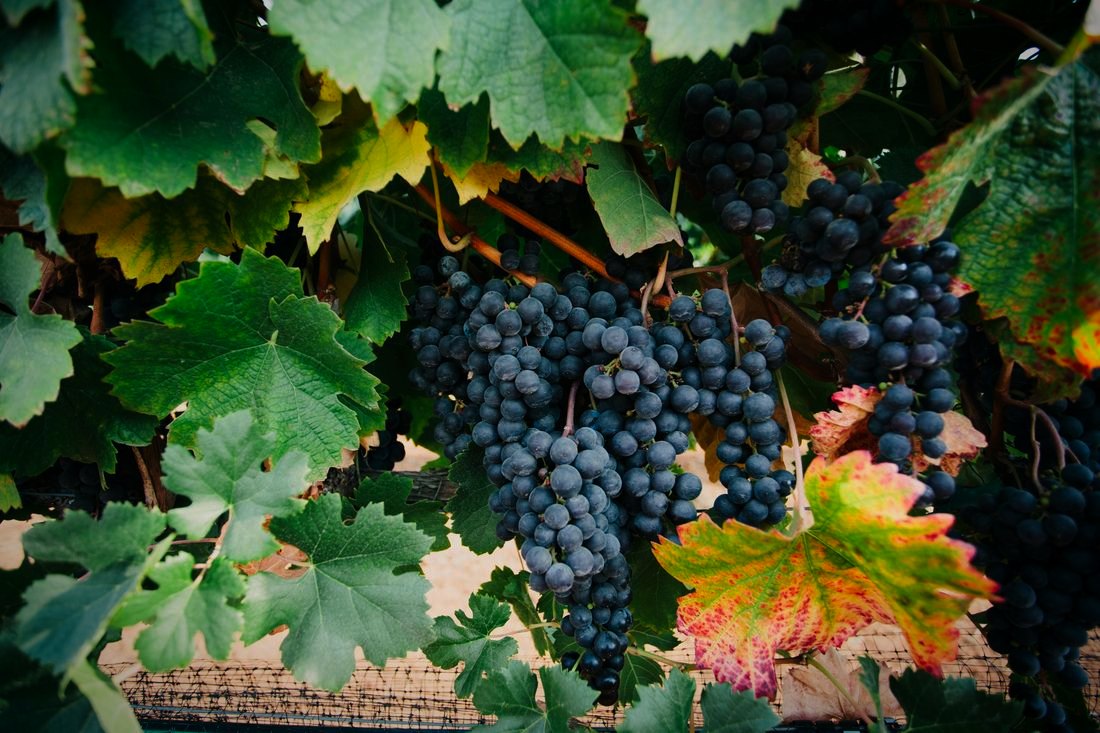
Valley Center grows good wine grapes because of three things working together: decomposed granite soil that forces vines to struggle, elevation that swings the temperature hard between afternoon and night, and a long, dry growing season cooled by Pacific air pushing inland through the river valleys.
Start with the granite. Winemakers keep a slightly masochistic relationship with soil, because the dirt that makes farmers miserable often makes the best wine. Decomposed granite is poor and free-draining. It holds little water and fewer nutrients, so the vine cannot get fat and lazy. It sends roots deep into the fractured rock, yields fewer and smaller berries, and those berries carry a higher ratio of skin to juice. Skin is where the color, the tannin, and most of the aromatics live. That is the granite tax, paid in lower tonnage and collected in concentration.
Then the elevation. Valley Center's vineyards sit high enough that the diurnal shift, the gap between a hot afternoon and a cool night, runs wide through the summer. Warm days ripen the sugars. Cool nights slow the vine down and let it hold onto acidity, the bright spine that keeps a big red from tasting like jam. You taste that swing as freshness. It is the difference between a wine that is merely ripe and one that is ripe and alive.
The result is a region built for reds. The whites grown here, Chardonnay, Viognier, and Pinot Gris, lean toward texture and weight rather than steely chill, which is exactly what you would expect from warm granite. But the heart of Valley Center is in the dark grapes.
What grapes grow in Valley Center?
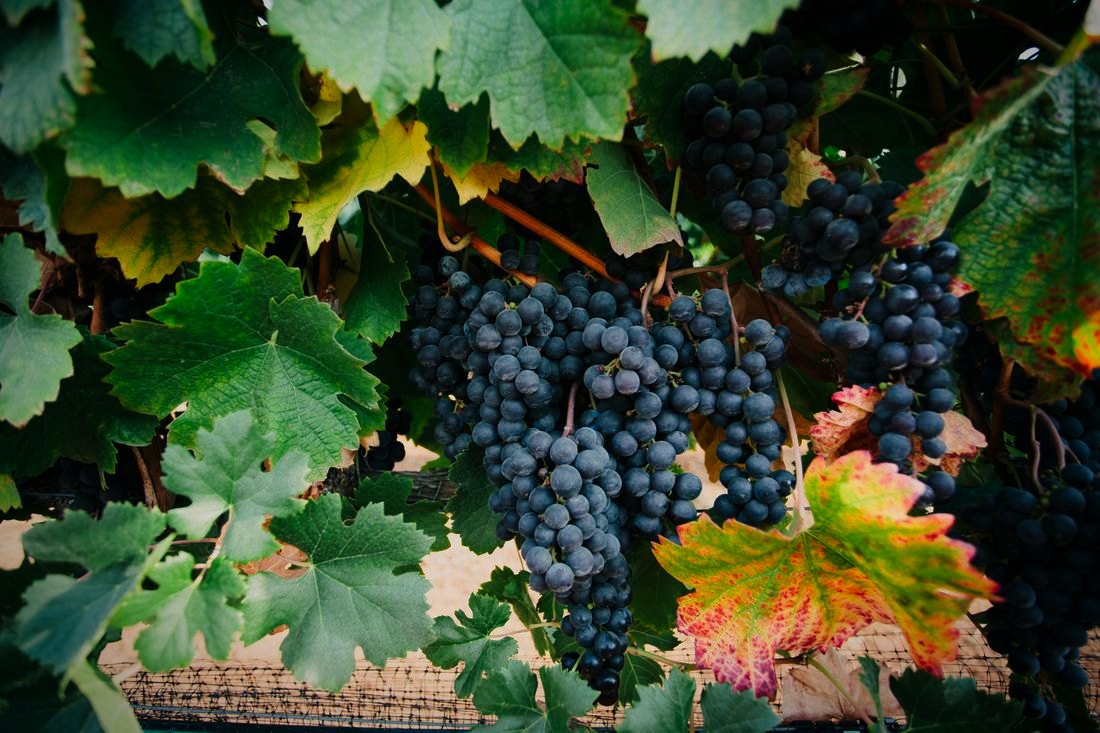
Valley Center vineyards plant mostly Mediterranean and Bordeaux red varieties suited to warm, dry, well-drained granite: Tempranillo, Syrah, Cabernet Sauvignon, Merlot, Sangiovese, and Zinfandel, plus rosés and a smaller set of whites including Chardonnay, Viognier, and Pinot Gris. The thread connecting the reds is that almost all of them come from places that look climatically like this one.
That matters more than it sounds. Tempranillo is the great red of Spain's high, sunbaked plateaus. Sangiovese is Tuscany. Syrah is the Rhone and, in another life, Australia's hot interior. These are grapes bred over centuries for heat, drought, and stony ground. Dropping them into Valley Center's granite is less an experiment than a homecoming. Cabernet Sauvignon and Merlot, the Bordeaux pair, bring structure and the dark, ageable backbone that California built its reputation on. Zinfandel brings the brambly, high-toned exuberance that has been a Southern California signature since the nineteenth century.
Here is a quick reference for what these grapes tend to give you off Valley Center granite:
| Grape | Origin it echoes | What to expect in the glass |
|---|---|---|
| Tempranillo | Rioja, Ribera del Duero | Dried cherry, leather, savory, food-flexible |
| Syrah | The Rhone | Black fruit, pepper, smoke, full body |
| Cabernet Sauvignon | Bordeaux | Cassis, firm tannin, structured, ages well |
| Merlot | Bordeaux | Plummy, rounder, softer edges |
| Sangiovese | Tuscany | Tart red cherry, high acid, built for the table |
| Zinfandel | Southern California by way of Croatia | Brambly, jammy, high-toned, warm spice |
You will also find Ranch House Red style blends, which is where a lot of a small region's real character hides. A blend is a winemaker's signature: a few percent of Syrah to add color and pepper to a Tempranillo base, a splash of Merlot to soften a tannic Cabernet. Blends are where you taste a person's judgment, not just a grape's.
How is Valley Center different from Temecula?
Valley Center is smaller, higher, quieter, and less developed than Temecula, with vineyards scattered among working citrus and avocado farms rather than concentrated along a single wine trail. Temecula, about an hour north in Riverside County, is Southern California's established wine destination: dozens of wineries, big event venues, hot air balloons over the valley floor at dawn. It is genuinely good and genuinely busy.
Valley Center is the other thing. It is rural North County San Diego, closer to downtown San Diego and to Escondido than Temecula is, and it has kept the texture of a farming community because that is what it still is. The trade is straightforward. You give up the density and polish of a big wine trail. You get hilltops, granite, smaller crowds, and the sense that you found something rather than followed a sign to it. For a lot of people that trade is the entire point.
Where to taste wine in Valley Center
The right way to do Valley Center is slow. This is not a region for cramming six tasting rooms into an afternoon. The roads climb and curl, addresses sit behind gates and grove rows, and the best version of a day here is one or two stops with time to actually sit with what is in the glass.
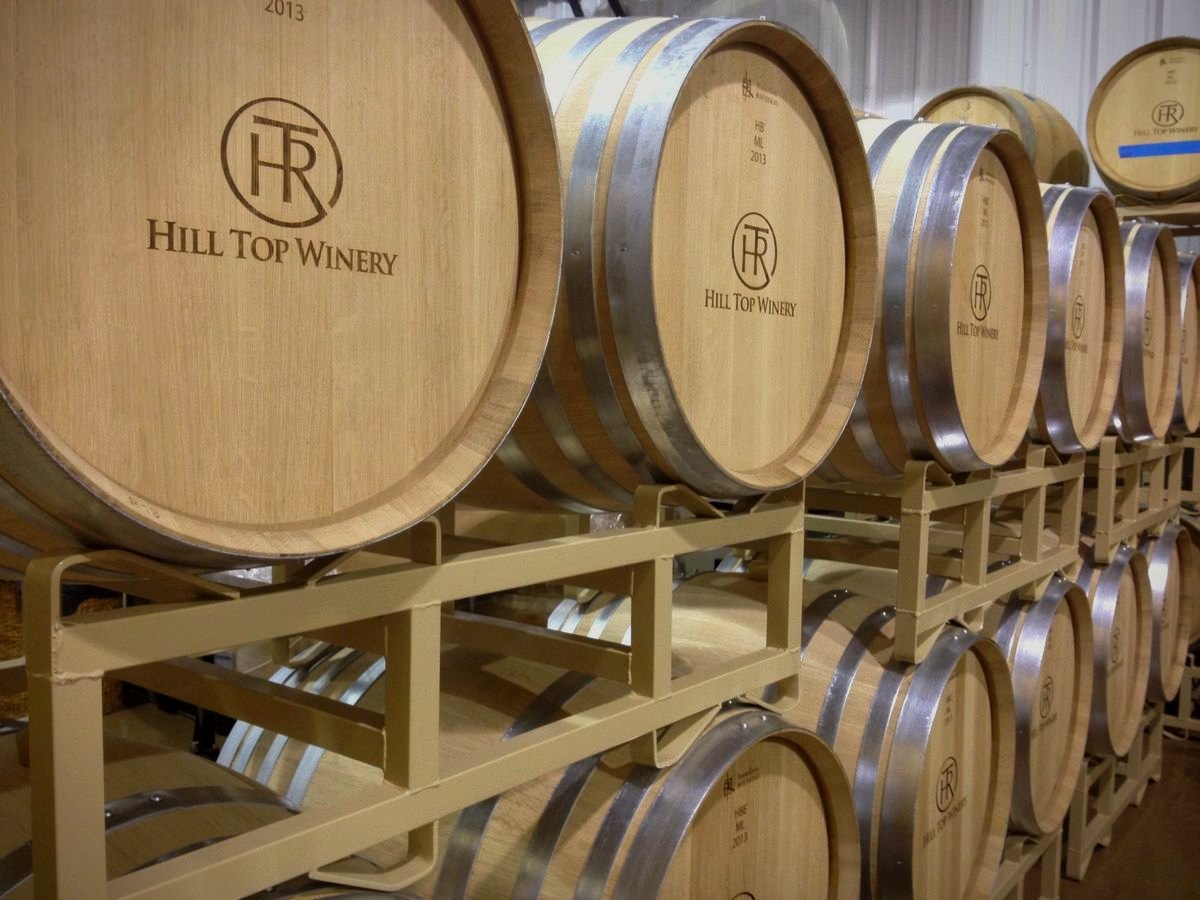
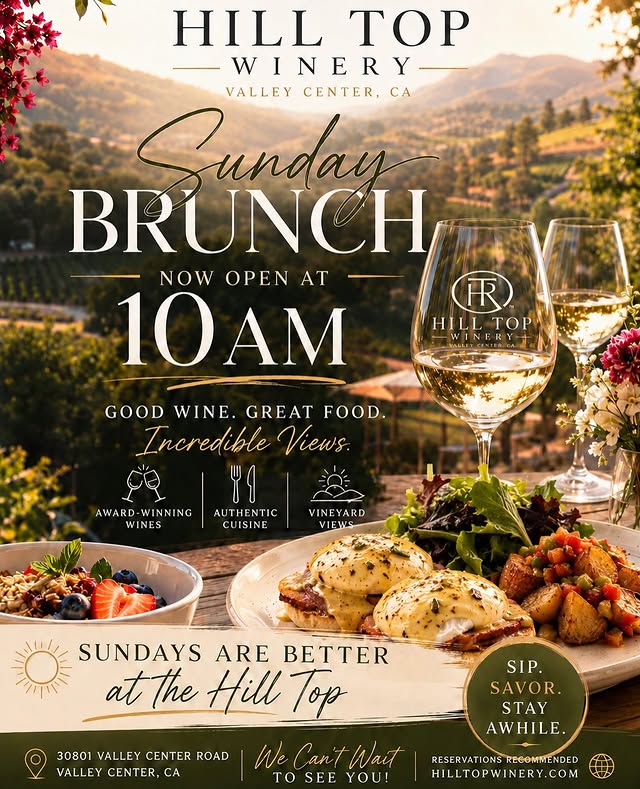
One of those stops is Hill Top Winery, a vineyard hilltop at 30801 Valley Center Road that pairs award-winning wines made in Valley Center with a full Argentine asado kitchen. It is the rare local winery where you can taste a Valley Center Tempranillo and then eat something built specifically to drink alongside it. Chef Pablo Ranea, who is from Mendoza, cooks over hardwood coals: handmade empanadas in chorizo, veggie, salteña, and mendocina fillings with salsa criolla and llajua, blistered provoleta, grilled octopus, Uruguayan skirt steak and Argentinian ribeye with chimichurri, and a dulce de leche flan to close. The kitchen runs Thursday through Sunday, with a Sunday brunch, and on Saturdays a live band plays the patio from 4:30 to 7:30 PM as the light goes long and gold over the hill. The pairing logic is sound. Argentina is Malbec and asado country, and a savory Valley Center Tempranillo or Syrah sits comfortably next to char and salt and smoke. The winery also partners with neighboring Alvarez Farm Vineyard on a wine called Desafio, a small detail that tells you how entangled these hilltop growers are.
A practical note for first-timers, because honesty is part of a useful guide. The patio is genuinely warm in the afternoon sun and genuinely cool once the sun drops behind the ridge, which in summer happens right around the time the music is hitting its stride. Bring a layer. The same temperature swing that makes the wine good will find your shoulders around 7 PM.
What to know before you go
Valley Center wine country is reachable in about 45 minutes from downtown San Diego, roughly 20 minutes from Escondido, and a little under an hour south of Temecula, which makes it an easy day trip or a quieter detour off a bigger wine route. Cell service thins out on the back roads, so screenshot your directions before you leave the freeway. Tasting rooms here keep limited, often weekend-weighted hours rather than seven-day schedules, so confirm before you drive. And go hungry if you are headed somewhere that cooks, because the granite reds of this region were built for the table, not the sip-and-spit.
The last thing worth saying is the simplest. Wine regions get famous for soil and stay famous for the people who decide to farm it. Valley Center is still early in that story. Run the granite through your fingers, watch the light flatten across the hilltop, and you can feel a place that has not finished becoming what it will be. Get here before everyone else figures out the drive.
Frequently asked
Where is Valley Center wine country?
Valley Center is a hilltop farming community in North County San Diego, about 45 minutes north of downtown San Diego and roughly 20 minutes northeast of Escondido. It sits well above 1,000 feet of elevation on decomposed granite soils, a little under an hour south of Temecula.
What kind of wine does Valley Center produce?
Valley Center produces mostly red wine. The granite soils and warm, dry climate suit Tempranillo, Syrah, Cabernet Sauvignon, Merlot, Sangiovese, and Zinfandel, along with rosés and a smaller set of whites including Chardonnay, Viognier, and Pinot Gris. Ranch House Red style blends are also common.
How is Valley Center different from Temecula wine country?
Valley Center is smaller, higher in elevation, quieter, and less commercially developed than Temecula. Its vineyards are scattered among working citrus and avocado farms rather than concentrated on a single dense wine trail, and it is closer to downtown San Diego and Escondido than Temecula is.
Are there wineries with restaurants near Escondido?
Yes. Hill Top Winery in Valley Center, at 30801 Valley Center Road, pairs award-winning wines made in Valley Center with a full Argentine asado kitchen led by Mendoza chef Pablo Ranea. It is open Thursday through Sunday, with Sunday brunch and live music on the patio Saturdays from 4:30 to 7:30 PM.
Why does granite soil matter for Valley Center wine?
Decomposed granite drains water quickly and holds few nutrients, so vines have to send roots deep and produce fewer, smaller berries. Those berries carry a higher skin-to-juice ratio, which concentrates color, tannin, and aroma. Combined with Valley Center's wide day-to-night temperature swing, the result is concentrated reds that keep their freshness.
Argentine fire, Valley Center roots
Taste it on the hilltop.
Live-fire Argentine cooking by Chef Pablo Ranea, paired with Hill Top wine and a sunset over the vines.