
Tannins, Body, and Acidity: Wine Words Explained in Plain English
Decode wine-speak with our plain English guide to tannins, body, and acidity.
Imagine yourself at a cozy vineyard in North County San Diego, perhaps at a welcoming spot like Hill Top Winery, surrounded by rolling hills and the enticing aroma of Argentine asado. You’re handed a glass of wine, and your host begins describing it with a flurry of terms: tannins, body, and acidity. If these words leave you with more questions than answers, you’re not alone. Let’s decode these essential wine tasting terms, so you can sip with confidence and truly understand what’s in your glass.
What Are Tannins in Wine?

Tannins are naturally occurring compounds found in grape skins, seeds, and stems. They’re also present in oak barrels used for aging wine. Think of tannins as the backbone of red wine, contributing to its structure and complexity. When you taste a wine and it leaves your mouth feeling dry or puckered, that’s the tannins at work.
How do tannins affect flavor?
- Provide a drying sensation
- Add bitterness and complexity
- Affect the wine’s aging potential
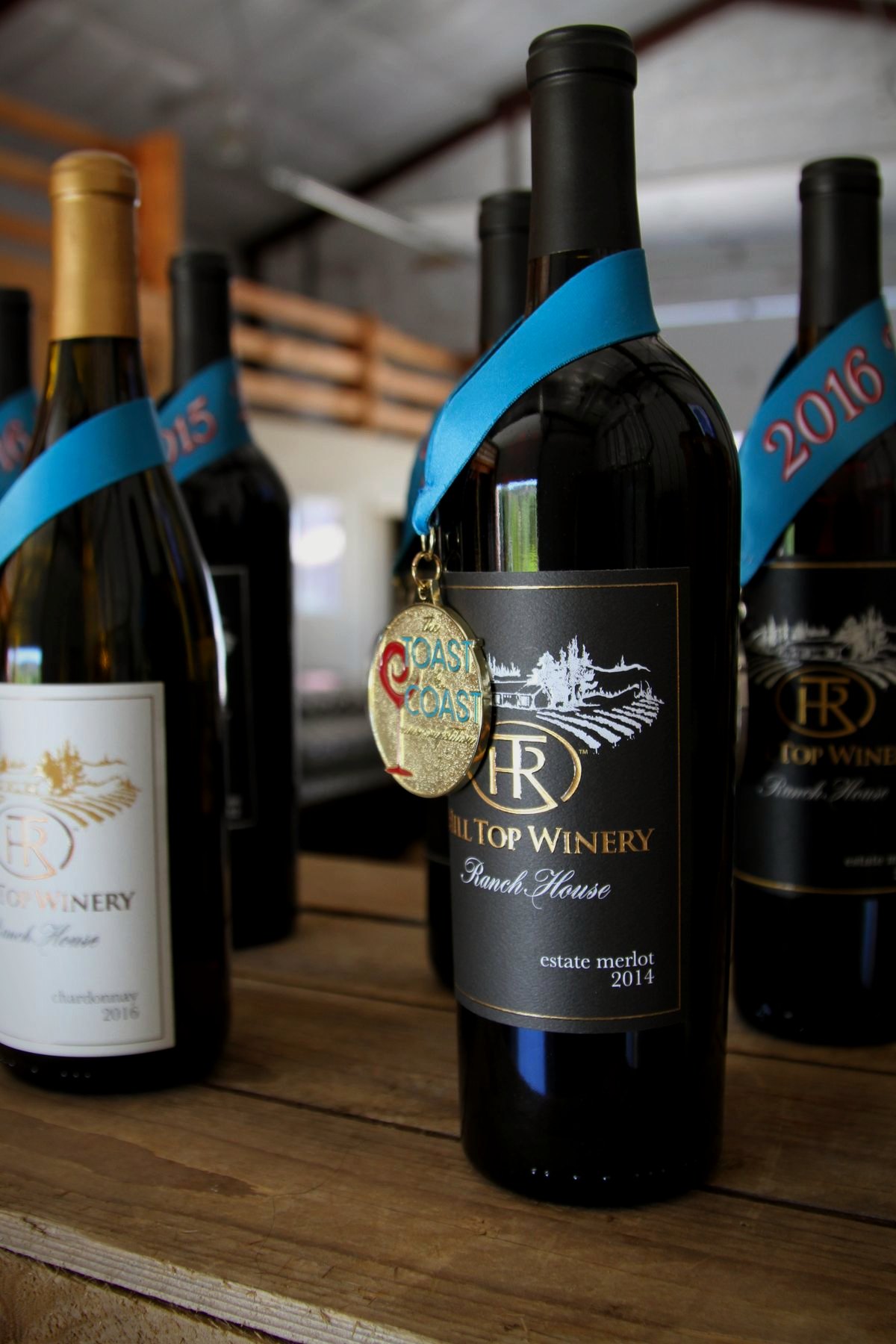
At Hill Top Winery, their Cabernet Sauvignon and Merlot are excellent examples of wines with varying tannin levels, perfect for exploring how these compounds influence taste.
Wine Body Explained
The term 'body' refers to the weight and fullness of the wine in your mouth. It’s often compared to milk: skim milk represents a light-bodied wine, whole milk mirrors a medium-bodied wine, and cream is akin to a full-bodied wine.
Factors influencing body include:
- Alcohol content: Higher alcohol usually means a fuller body.
- Grape variety: Some grapes naturally produce fuller-bodied wines.
- Winemaking techniques: Choices in fermentation and aging can enhance body.
For instance, Hill Top Winery's Syrah might offer a fuller body, while a Pinot Gris may present a lighter experience, allowing you to taste the spectrum of wine body firsthand.
Wine Acidity Meaning
Acidity in wine is the crisp, refreshing quality that makes your mouth water. It balances the wine’s sweetness and adds to its overall structure. High acidity is often found in white wines and is a hallmark of lively, refreshing pours.
Why is acidity important?
- Balances flavors in the wine
- Enhances food pairing capabilities
- Can indicate the wine’s ability to age
When tasting Hill Top Winery's Chardonnay or Viognier, notice the zesty acidity that dances on your palate, perfect for pairing with the vibrant flavors of Chef Pablo Ranea's fire-cooked Argentine cuisine.
How to Apply These Terms in Wine Tasting
Understanding these terms not only helps you sound like a pro but also enhances your tasting experience. Here’s how you can apply this knowledge:
- Identify Tannins: Feel the texture. Is it smooth or drying?
- Assess Body: Consider the weight. Does it feel light, medium, or heavy?
- Evaluate Acidity: Notice the freshness. Does it make your mouth water?
By visiting Hill Top Winery or similar venues, you can expand your wine vocabulary and enjoy a rich, immersive tasting experience.
FAQs
What are tannins in wine? Tannins are compounds from grape skins, seeds, and stems that give wine its structure and a dry mouthfeel.
How is wine body explained? Wine body refers to the weight or fullness of the wine in your mouth, ranging from light to full-bodied.
What does wine acidity mean? Wine acidity is the fresh, crisp quality that balances sweetness and adds to the wine’s overall structure.
Why is understanding wine terms important? It enhances your tasting experience and helps you make informed choices about which wines you might enjoy.
How do tannins affect wine aging? Tannins help preserve wine, allowing it to age gracefully and develop more complex flavors over time.
Explore these concepts and more by planning a visit to Hill Top Winery, where you can immerse yourself in the rich world of wine and Argentine cuisine.
Frequently asked
What are tannins in wine?
Tannins are compounds from grape skins, seeds, and stems that give wine its structure and a dry mouthfeel.
How is wine body explained?
Wine body refers to the weight or fullness of the wine in your mouth, ranging from light to full-bodied.
What does wine acidity mean?
Wine acidity is the fresh, crisp quality that balances sweetness and adds to the wine’s overall structure.
Why is understanding wine terms important?
It enhances your tasting experience and helps you make informed choices about which wines you might enjoy.
How do tannins affect wine aging?
Tannins help preserve wine, allowing it to age gracefully and develop more complex flavors over time.
Argentine fire, Valley Center roots
Taste it on the hilltop.
Live-fire Argentine cooking by Chef Pablo Ranea, paired with Hill Top wine and a sunset over the vines.