Wine and Altitude: How Hilltop Vineyards Shape Flavor
Explore how elevation and vineyard terroir influence the wines at Hill Top Winery.
Nestled in the rolling hills of Valley Center, Hill Top Winery offers more than just breathtaking views: it provides a unique terroir that shapes the character of its wines. Understanding how elevation and the specific conditions of a hillside vineyard contribute to wine flavor can enhance your appreciation for each bottle.
The Role of Elevation in Wine
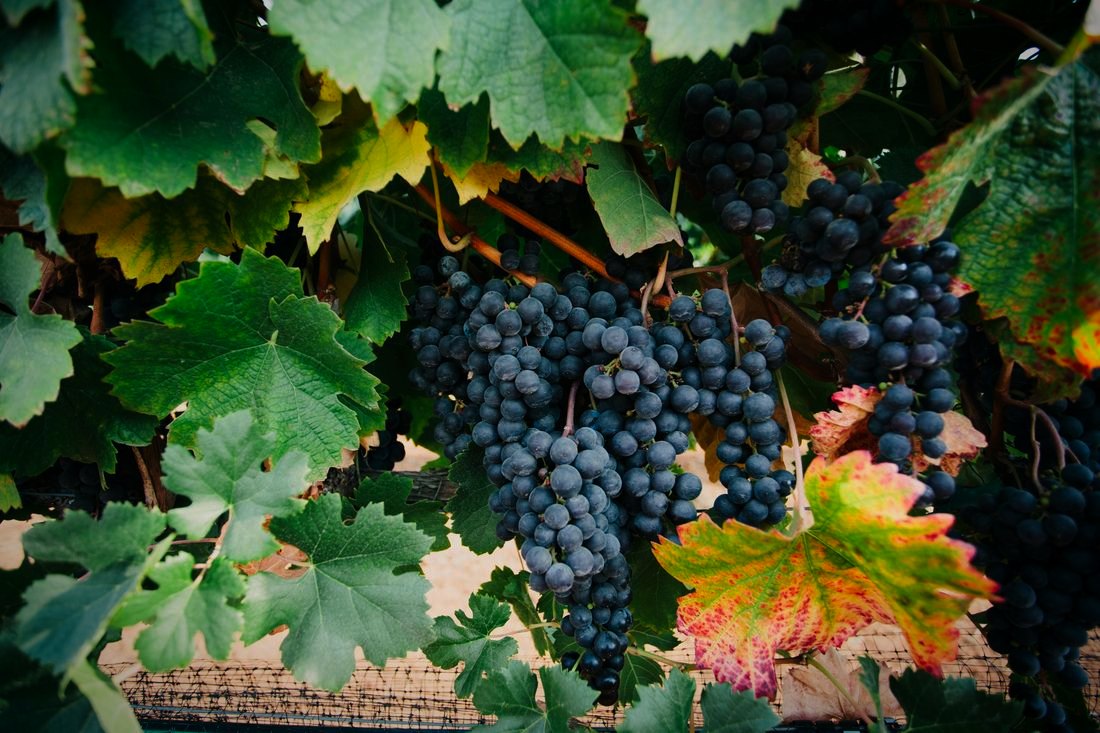
Elevation plays a crucial role in vineyard terroir, influencing temperature, sunlight exposure, and air circulation. These factors collectively impact the ripening process of grapes. At Hill Top Winery, the elevated position ensures cooler temperatures, which can preserve acidity in the grapes—crucial for crafting balanced wines.
Temperature and Ripening
The higher altitude of a hilltop vineyard like Hill Top Winery means cooler nights and warmer days. This temperature fluctuation allows grapes to ripen slowly, developing complex flavors while retaining fresh acidity. It's a delicate balance that winemaker Steve Michaliszyn expertly navigates to produce varietals like Cabernet Sauvignon and Merlot.
Sun Exposure and Grape Development
Sun exposure on hillside vineyards is another critical factor. The angle of the slope at Hill Top Winery provides optimal sunlight throughout the day, helping grapes develop sugars essential for fermentation. This results in wines with the right balance of sweetness and acidity.
Air Movement and Disease Prevention
Airflow is enhanced in elevated vineyards. The natural breeze found on the hillside helps reduce the risk of mold and mildew, allowing for healthier grapevines. This airflow is especially beneficial in Valley Center, where the climate can vary significantly.
Soil Composition and Drainage
The composition and drainage properties of hillside soils are typically different from those of flatlands. The rocky, well-draining soils at Hill Top Winery prevent waterlogging, encouraging deeper root growth. This can lead to more resilient vines that produce grapes with concentrated flavors.
Terroir’s Influence on Wine at Hill Top
Hill Top Winery’s terroir is a tapestry woven from its elevation, slope, and soil. The combination of these elements contributes to wines that are both expressive and nuanced. Try their Ranch House Red blends or Syrah to experience these characteristics firsthand.
Experiencing Hill Top Winery
To truly appreciate the influence of hilltop terroir, a visit to Hill Top Winery is a must. Join winemaker Steve Michaliszyn for a winery tour, where you'll walk through the vineyards and see firsthand how the terrain shapes the wine. You can also enjoy live music on the patio or dine at the Argentine restaurant with Chef Pablo Ranea's exquisite dishes.
Join the Wine Club
For those eager to explore Hill Top's wines regularly, consider joining their wine club. With options for monthly or quarterly deliveries, you can experience the diverse expressions of their hilltop vineyard year-round.
Final Thoughts
Hill Top Winery's unique location in North County San Diego offers a distinctive terroir that significantly influences its wines. From elevation and slope to soil and climate, every element plays a role in shaping the flavors in your glass. Whether you're a seasoned wine lover or a curious newcomer, understanding these aspects of hillside vineyard wine can deepen your appreciation for the craft.
To learn more, visit the Hill Top Winery website and plan your visit to experience the beauty and flavor of this exceptional vineyard.
Frequently asked
How does elevation affect wine flavor?
Elevation impacts temperature and sunlight exposure, leading to slower grape ripening and more complex flavors.
What is terroir in wine?
Terroir refers to the environmental factors like soil, climate, and topography that influence a wine's characteristics.
What types of wine does Hill Top Winery produce?
Hill Top Winery produces various wines including Cabernet Sauvignon, Merlot, Syrah, and more.
Can I visit Hill Top Winery for a tour?
Yes, Hill Top Winery offers tours led by winemaker Steve Michaliszyn. Contact them for more details.
Is there a restaurant at Hill Top Winery?
Yes, Hill Top Winery features an Argentine restaurant with live-fire cooking by Chef Pablo Ranea.
Argentine fire, Valley Center roots
Taste it on the hilltop.
Live-fire Argentine cooking by Chef Pablo Ranea, paired with Hill Top wine and a sunset over the vines.