
What Is Terroir? Why Place Shapes the Wine in Your Glass
Terroir is the French term that explains how soil, climate, and geography influence the wine in your glass.
If you've ever sipped a glass of wine and wondered why it tastes the way it does, you might have encountered the concept of terroir. This term, often murmured reverently by wine enthusiasts, is key to understanding the unique characteristics of wine. But what does terroir mean, and how does it shape the wine you enjoy?
What Is Terroir?

Terroir is a French term that encompasses the myriad environmental factors affecting a vineyard's grapes. It includes the soil, climate, topography, and even the human touch involved in viticulture. Essentially, terroir is the taste of place, the sum of all natural conditions that give a wine its distinct character.
Soil: The Foundation of Terroir
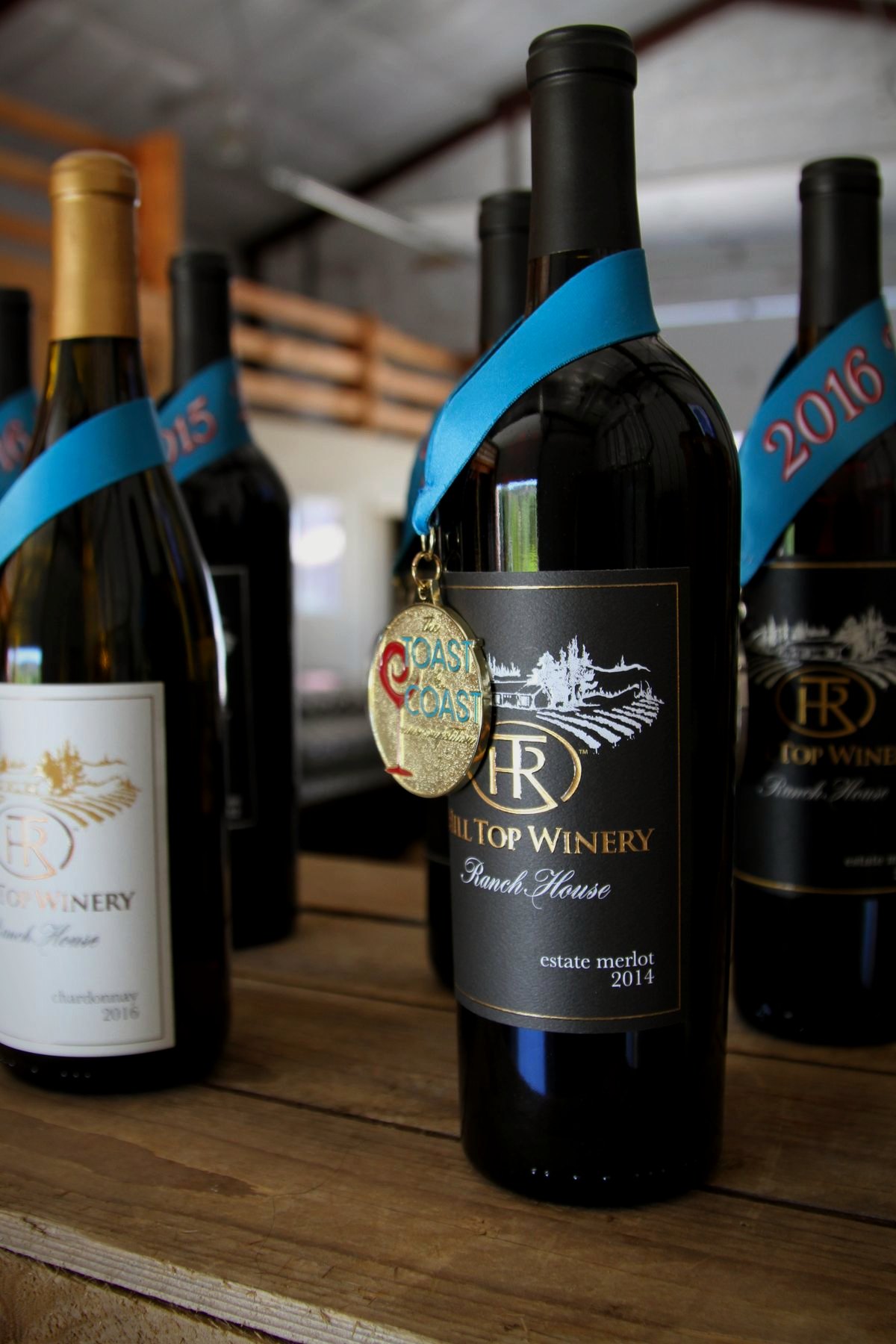
The soil in which vines grow plays a critical role in shaping wine. Different soils—be they clay, limestone, or gravel—provide distinct minerals and drainage properties, influencing the vine's water and nutrient uptake. At Hill Top Winery, the Valley Center soil contributes to the unique expressions of their Cabernet Sauvignon, Merlot, and other varietals.
Climate: The Vineyard's Weather
Climate is another crucial component of terroir. It includes both the macroclimate of a region and the microclimate of a specific vineyard. Factors such as temperature, rainfall, and sunlight affect grape ripening and, ultimately, the wine's acidity, sweetness, and flavor profile. North County San Diego's climate, with its warm days and cool nights, is ideal for producing balanced wines.
Geography: The Lay of the Land
Topography, or the physical features of the land, also influences terroir. Elevation, slope, and proximity to bodies of water can impact a vineyard's temperature and sun exposure. For example, Hill Top Winery's location on a hilltop offers excellent drainage and sun exposure, which are advantageous for grape growing.
Terroir in Your Glass
When you taste a wine, you're experiencing the interaction of these terroir elements. A wine's flavor profile—whether it's the earthy tones of a Syrah or the bright fruitiness of a Zinfandel—is a direct expression of its terroir. Wines made in Valley Center, like those at Hill Top Winery, reflect their unique environment.
How Terroir Influences Wine Styles
- Cabernet Sauvignon: Known for its bold flavors, the terroir can enhance its tannins and rich fruit notes.
- Chardonnay: The soil and climate influence its crispness and complexity.
- Syrah and Zinfandel: Warm climates like Valley Center's bring out their full-bodied, spicy characteristics.
Experience Terroir at Hill Top Winery
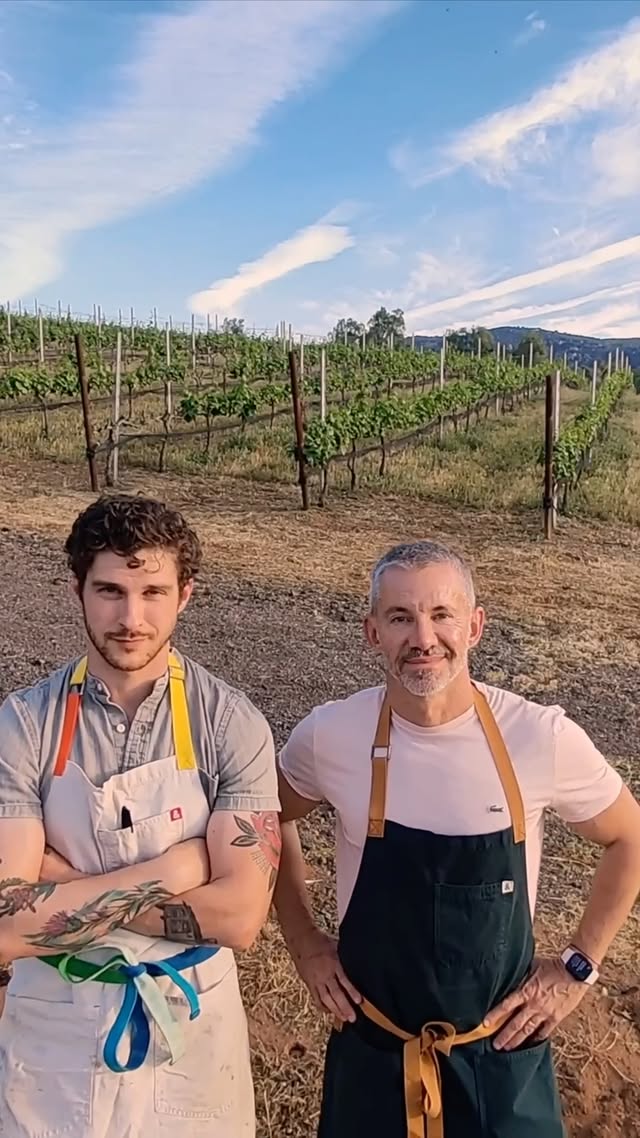
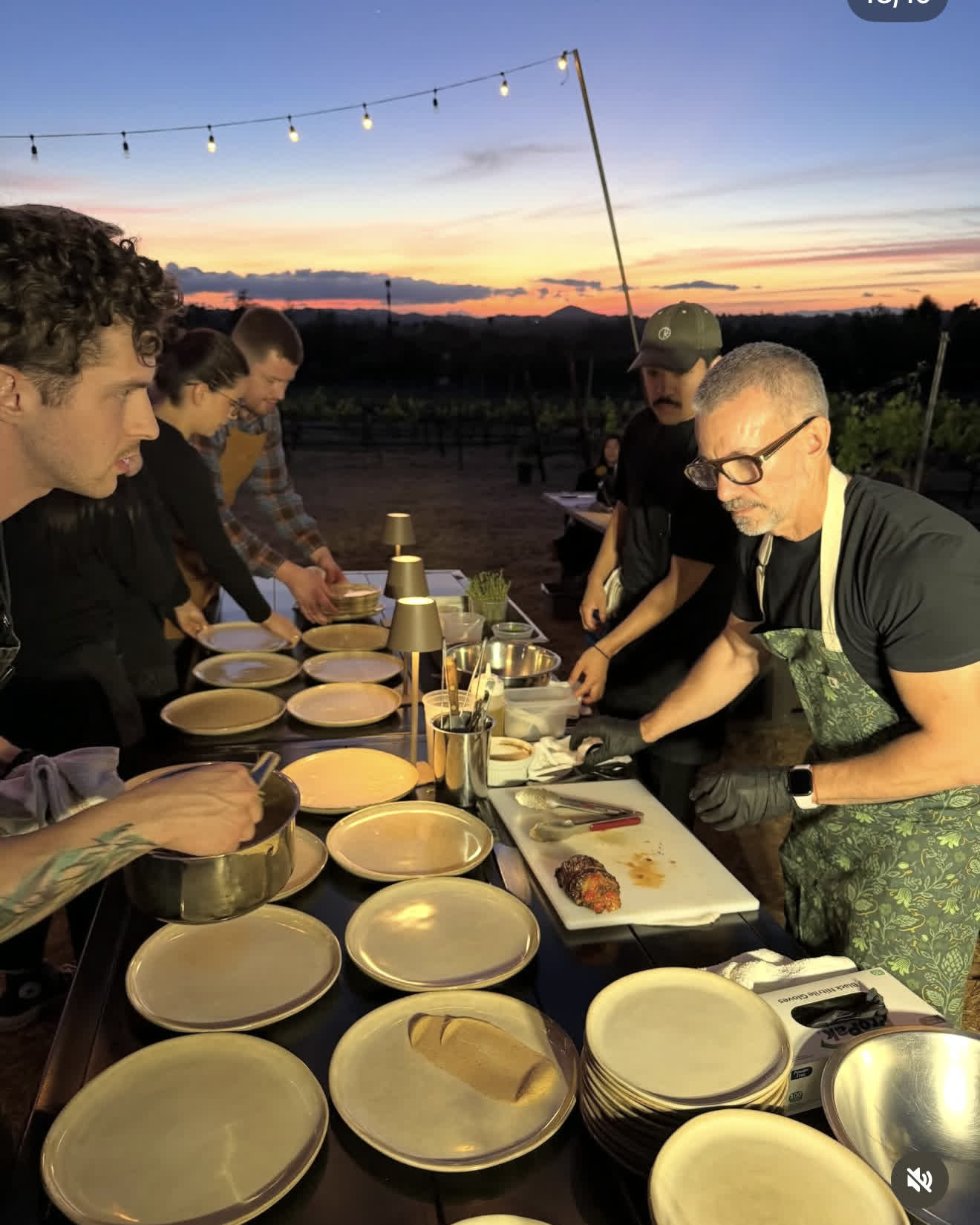
To truly understand terroir, you need to taste it. Visiting Hill Top Winery allows you to experience how local terroir shapes the wines. Pair your tasting with Chef Pablo Ranea’s Argentine asado for a full sensory immersion.
Visiting Tips
- Reservations: Book a table online through Toast or call (760) 913-1013.
- Events: Enjoy live music every Saturday at sunset, or plan a private event for a unique experience.
Understanding terroir enriches your wine experience, revealing the story behind each bottle. Whether you're enjoying a glass at home or visiting a vineyard, keep this concept in mind as you explore the diverse world of wine.
FAQs
What is terroir in wine?
Terroir refers to the environmental factors like soil, climate, and geography that influence a wine's characteristics.
Why is terroir important in winemaking?
It shapes the flavor, aroma, and overall profile of the wine, making each one unique to its place of origin.
How does terroir affect wine taste?
Different soils, climates, and topographies impart specific flavors and aromas to the wine, influencing its taste and complexity.
Can terroir change over time?
Yes, changes in climate or land use can alter the terroir, affecting the characteristics of the wine.
Where can I experience terroir in California?
Visit Hill Top Winery in Valley Center to taste wines that reflect the terroir of North County San Diego.
Frequently asked
What is terroir in wine?
Terroir refers to the environmental factors like soil, climate, and geography that influence a wine's characteristics.
Why is terroir important in winemaking?
It shapes the flavor, aroma, and overall profile of the wine, making each one unique to its place of origin.
How does terroir affect wine taste?
Different soils, climates, and topographies impart specific flavors and aromas to the wine, influencing its taste and complexity.
Can terroir change over time?
Yes, changes in climate or land use can alter the terroir, affecting the characteristics of the wine.
Where can I experience terroir in California?
Visit Hill Top Winery in Valley Center to taste wines that reflect the terroir of North County San Diego.
Argentine fire, Valley Center roots
Taste it on the hilltop.
Live-fire Argentine cooking by Chef Pablo Ranea, paired with Hill Top wine and a sunset over the vines.