Sangiovese Beyond Chianti: The Italian Grape in a California Vineyard
Explore the vibrant world of Sangiovese wine, from its classic Italian roots to its unique expression in California's vineyards.
If you've ever savored a glass of Chianti, you've met Sangiovese. This Italian grape is the backbone of Tuscany's most famous wine, known for its bright cherry notes and subtle herbaceous undertones. But what happens when Sangiovese makes its way across the Atlantic to California? Let's explore the intriguing journey and taste of Sangiovese wine in Valley Center.
What Is Sangiovese?
Sangiovese is a red grape variety native to Italy, deeply entrenched in the winemaking traditions of Tuscany. Known for its high acidity, moderate tannins, and flavors of red cherries, plums, and earthy herbs, Sangiovese is a versatile grape that thrives in various terroirs. While it forms the backbone of Chianti, Sangiovese is also found in other Italian wines like Brunello di Montalcino and Vino Nobile di Montepulciano.
Sangiovese Taste: A Flavor Profile
The taste of Sangiovese is often described as a delightful mix of tart cherry, red plum, and dried herbs, with an earthy undertone. Its bright acidity makes it a great partner for food, particularly tomato-based dishes like pasta and pizza. The wine's tannins can range from soft to firm, depending on the region and winemaking style, making it versatile for pairing with a variety of cuisines.
Sangiovese vs. Chianti: What's the Difference?
While Chianti is synonymous with Sangiovese, they are not identical. Chianti is a wine region in Italy where Sangiovese is the primary grape. A Chianti wine must contain at least 70% Sangiovese (or more, depending on the specific Chianti classification) but can also include other local varieties. The key difference lies in the terroir and winemaking traditions that influence Chianti's distinct taste, often adding layers of spice, leather, and floral notes to the classic Sangiovese profile.
Sangiovese in California: A New Expression
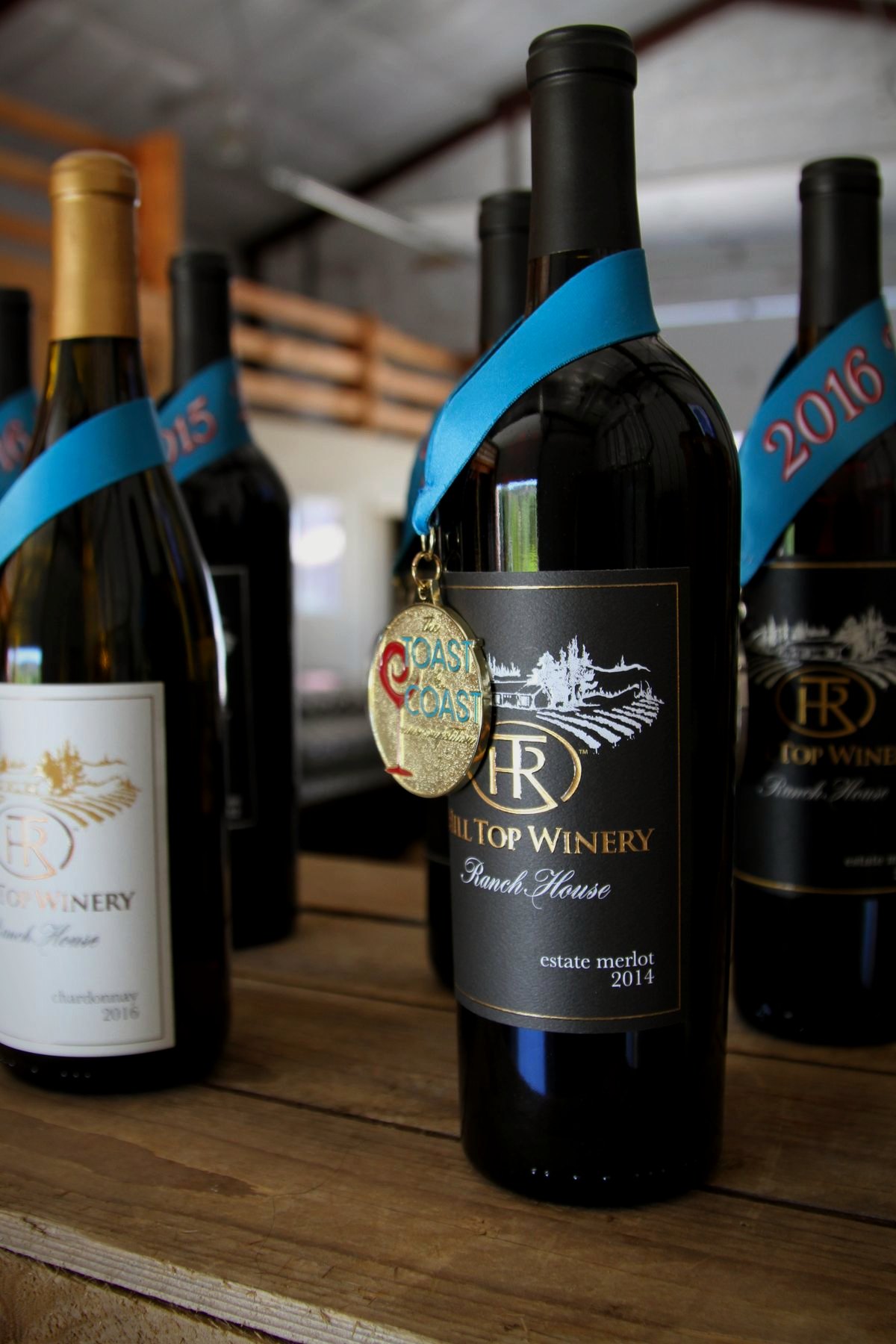
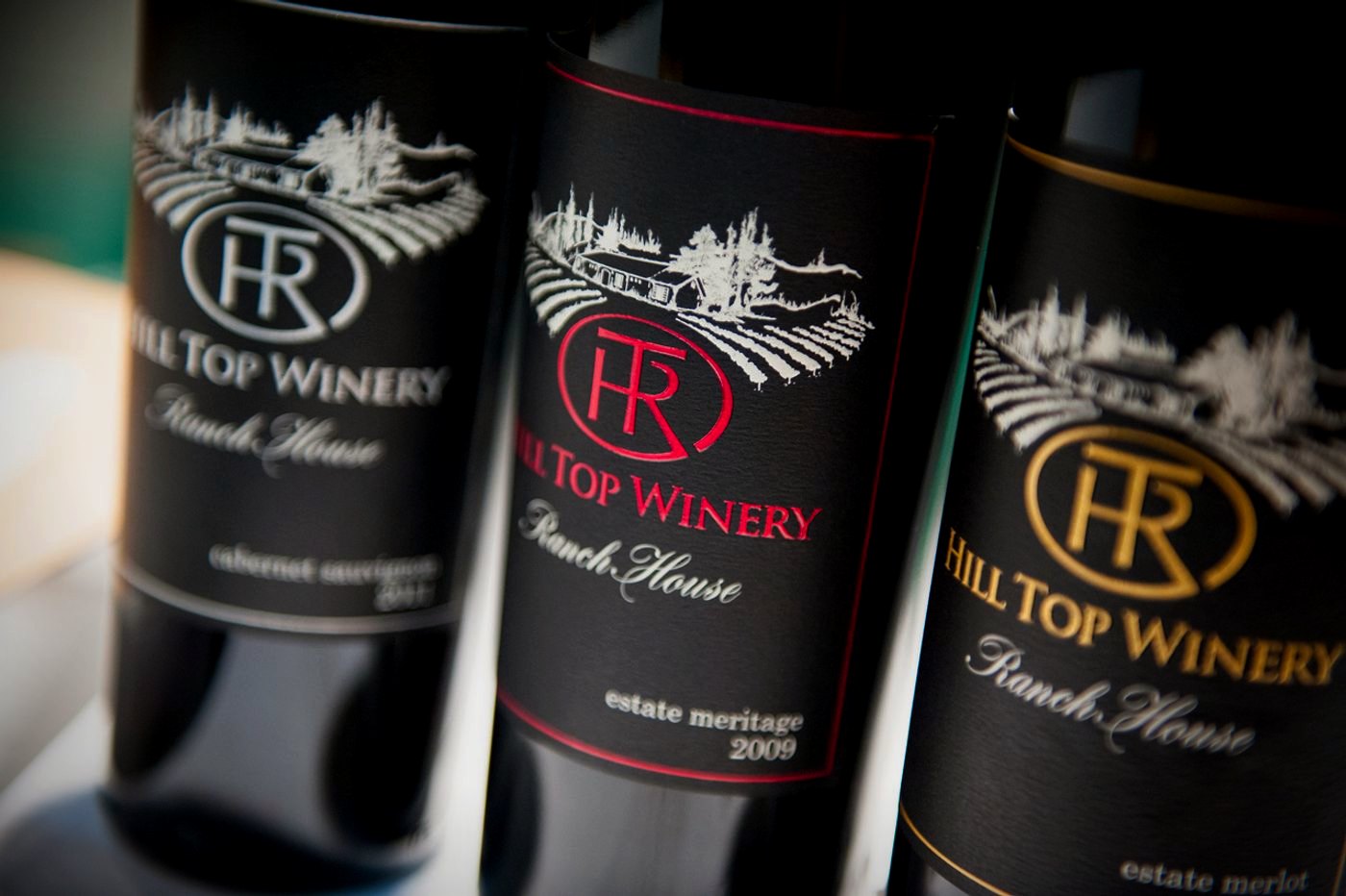
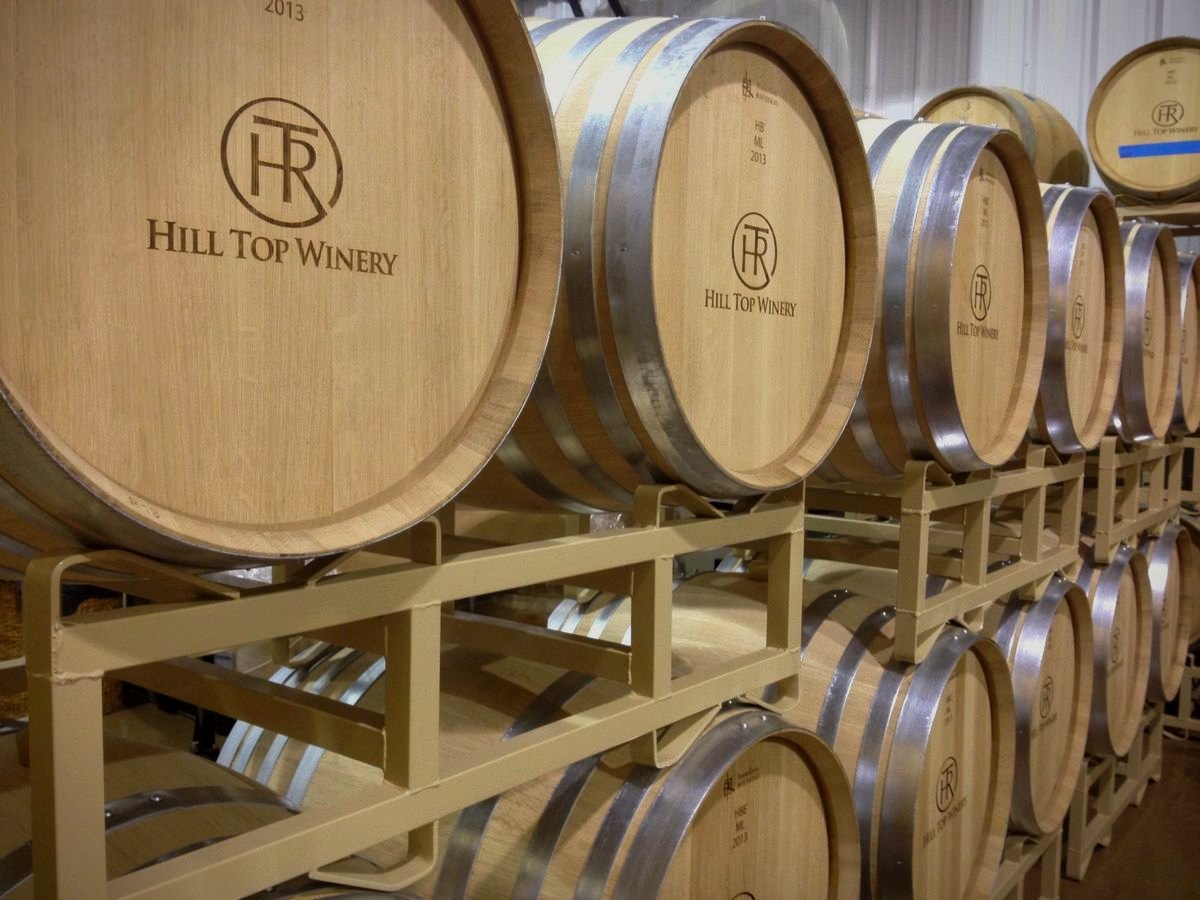
In California, Sangiovese takes on a unique character thanks to the state's diverse climate and soil. At Hill Top Winery in Valley Center, the Sangiovese captures the sun-drenched essence of the region, offering a fruit-forward profile with softer tannins and moderate acidity. The Californian version tends to be more approachable and easy-drinking compared to its Italian counterparts, yet it retains the essential cherry and herb notes that make Sangiovese so beloved.
The Perfect Pairing: Sangiovese and Argentine Asado
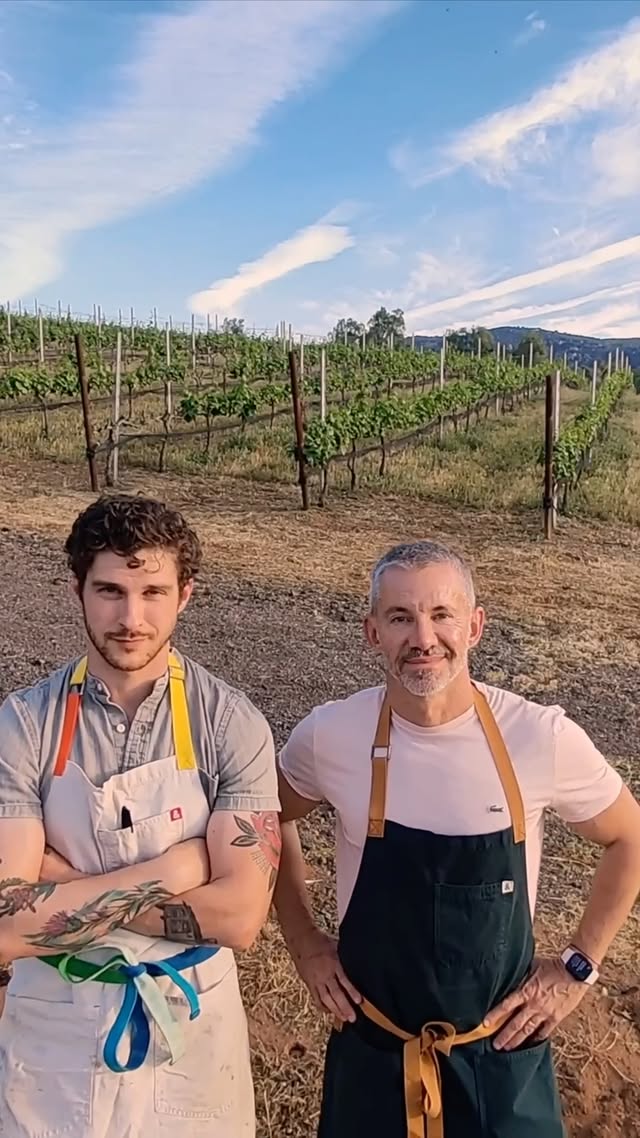
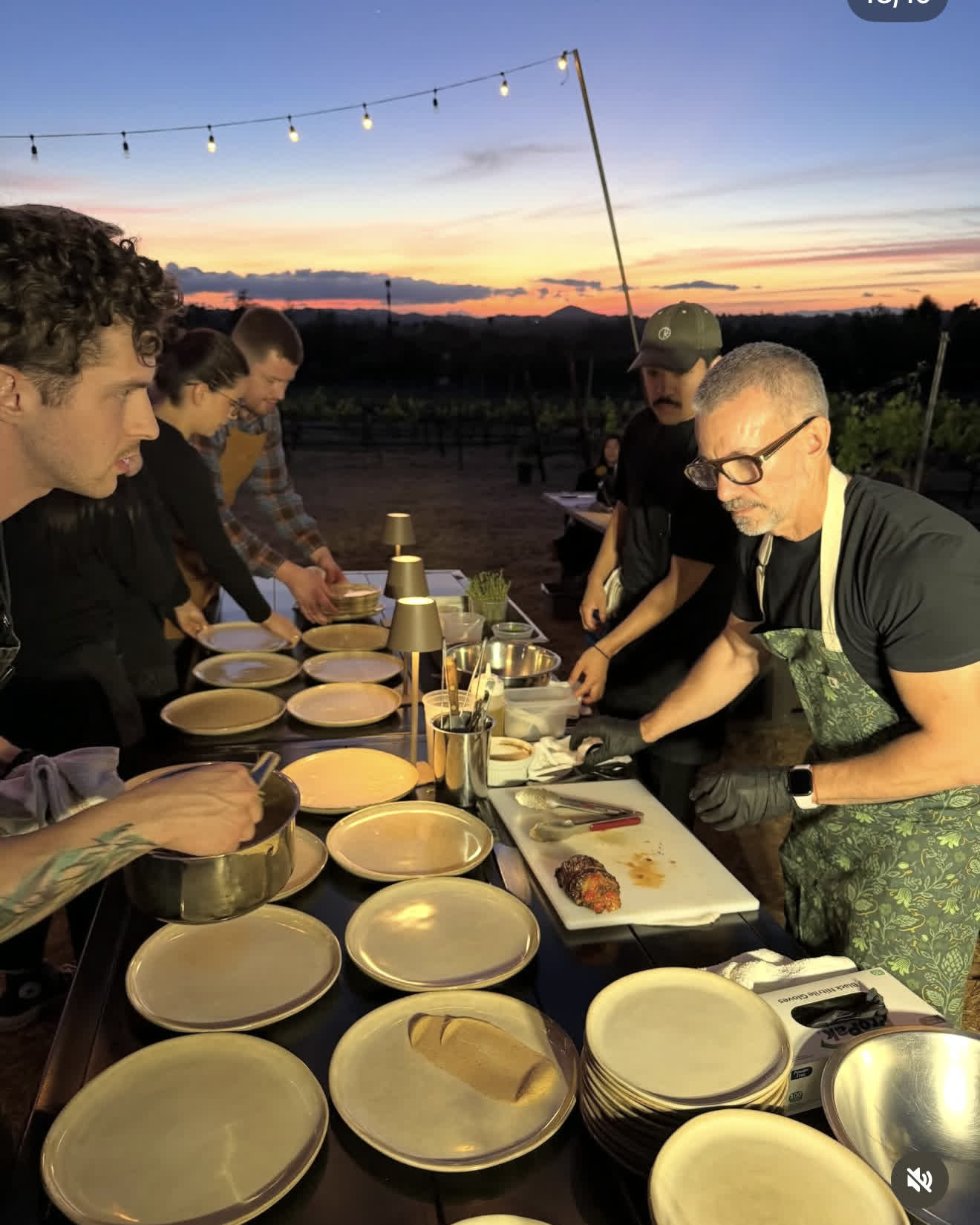
One of the joys of Sangiovese is its ability to pair beautifully with a wide range of foods. At Hill Top Winery, you can experience this harmony firsthand. Imagine enjoying a glass of Valley Center Sangiovese alongside Chef Pablo Ranea's Argentine asado. The wine's bright cherry notes and balanced acidity are a perfect match for the rich, smoky flavors of grilled octopus, handmade empanadas, and the succulent Argentinian ribeye.
Experience Sangiovese at Hill Top Winery
Hill Top Winery offers a unique opportunity to explore Sangiovese in a setting that combines Californian viticulture with Argentine culinary flair. With live music every Saturday and the stunning backdrop of San Diego wine country, it's an ideal spot for wine enthusiasts to discover new dimensions of this classic grape.
For those planning a visit, Hill Top Winery is open Thursday through Sunday, with reservations available online here or by phone at (760) 913-1013.
FAQ
What is Sangiovese wine?
Sangiovese is a red wine grape variety originating from Italy, known for its bright cherry and herbaceous flavors. It's the primary grape in Chianti and other Italian wines.
How does Sangiovese taste?
Sangiovese typically offers flavors of tart cherries, red plums, and dried herbs, with a bright acidity and varying tannin levels.
What is the difference between Sangiovese and Chianti?
Chianti is a wine region in Italy where Sangiovese is the main grape. Chianti wines must include a significant percentage of Sangiovese but can also contain other local varieties, affecting the overall flavor profile.
How does California Sangiovese differ from Italian?
California Sangiovese often has a more fruit-forward profile with softer tannins and moderate acidity compared to the more structured and complex Italian versions.
Where can I experience Sangiovese wine in California?
You can explore Sangiovese wine at Hill Top Winery in Valley Center, CA, where it's crafted amidst the beautiful San Diego wine country.
Frequently asked
What is Sangiovese wine?
Sangiovese is a red wine grape variety originating from Italy, known for its bright cherry and herbaceous flavors. It's the primary grape in Chianti and other Italian wines.
How does Sangiovese taste?
Sangiovese typically offers flavors of tart cherries, red plums, and dried herbs, with a bright acidity and varying tannin levels.
What is the difference between Sangiovese and Chianti?
Chianti is a wine region in Italy where Sangiovese is the main grape. Chianti wines must include a significant percentage of Sangiovese but can also contain other local varieties, affecting the overall flavor profile.
How does California Sangiovese differ from Italian?
California Sangiovese often has a more fruit-forward profile with softer tannins and moderate acidity compared to the more structured and complex Italian versions.
Where can I experience Sangiovese wine in California?
You can explore Sangiovese wine at Hill Top Winery in Valley Center, CA, where it's crafted amidst the beautiful San Diego wine country.
Argentine fire, Valley Center roots
Taste it on the hilltop.
Live-fire Argentine cooking by Chef Pablo Ranea, paired with Hill Top wine and a sunset over the vines.