Old World vs New World Wine: What the Difference Really Means
Decoding the classic wine labels: an exploration of Old World vs New World wine.
Wine terminology can often feel like stepping into a labyrinth, especially with terms like Old World and New World wine appearing on labels and menus. If you're sipping at a Valley Center winery or browsing the shelves of a local shop, understanding these terms can enrich your experience.
What Does 'Old World' Wine Mean?
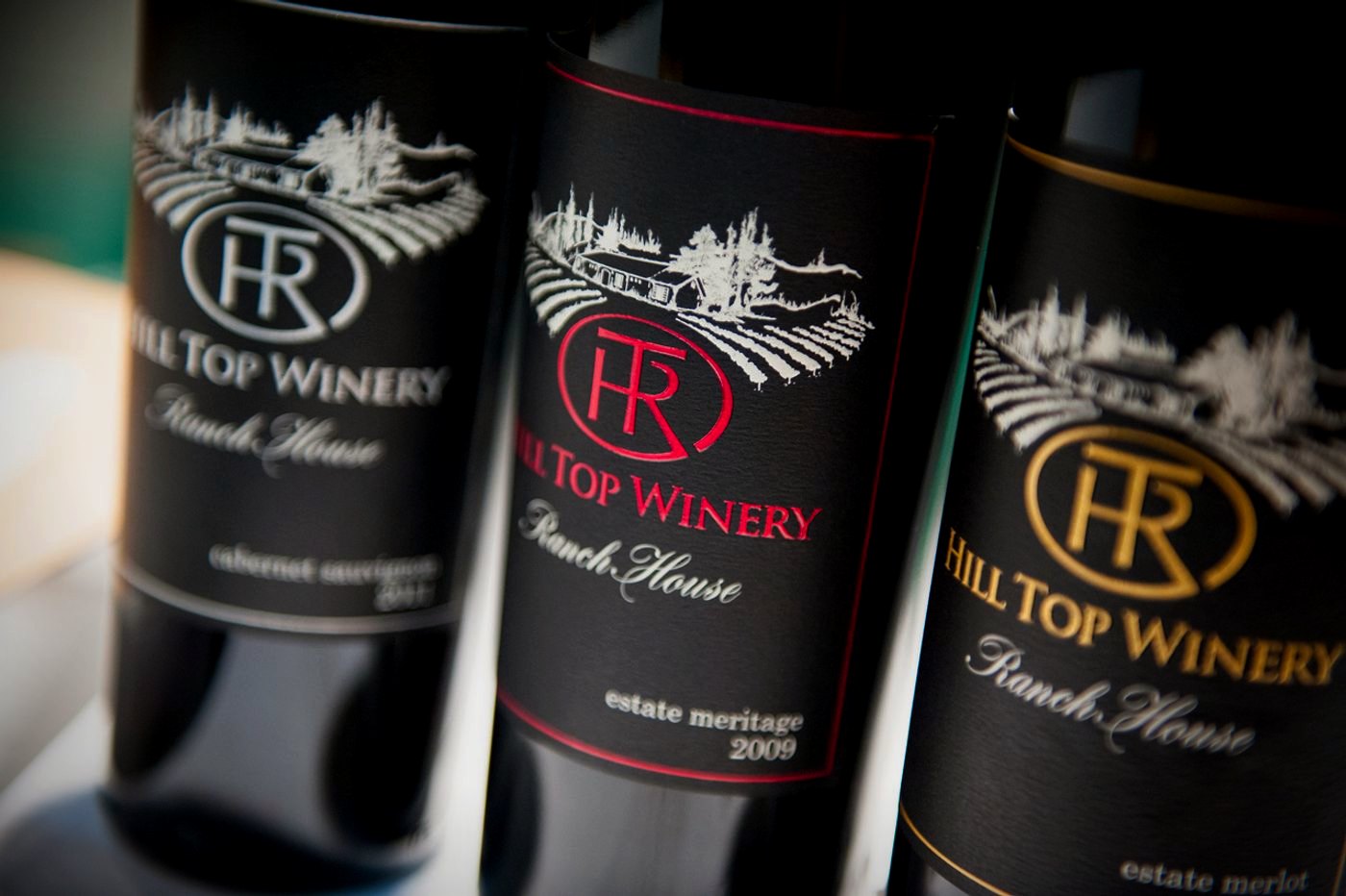
Old World wine refers to those made in traditional wine-producing regions of Europe, such as France, Italy, and Spain. The term encompasses a long history of winemaking practices that emphasize terroir—the unique characteristics imparted by geography, climate, and soil. These wines often exhibit earthy, mineral-driven flavors and a more restrained fruit profile.
Defining 'New World' Wine
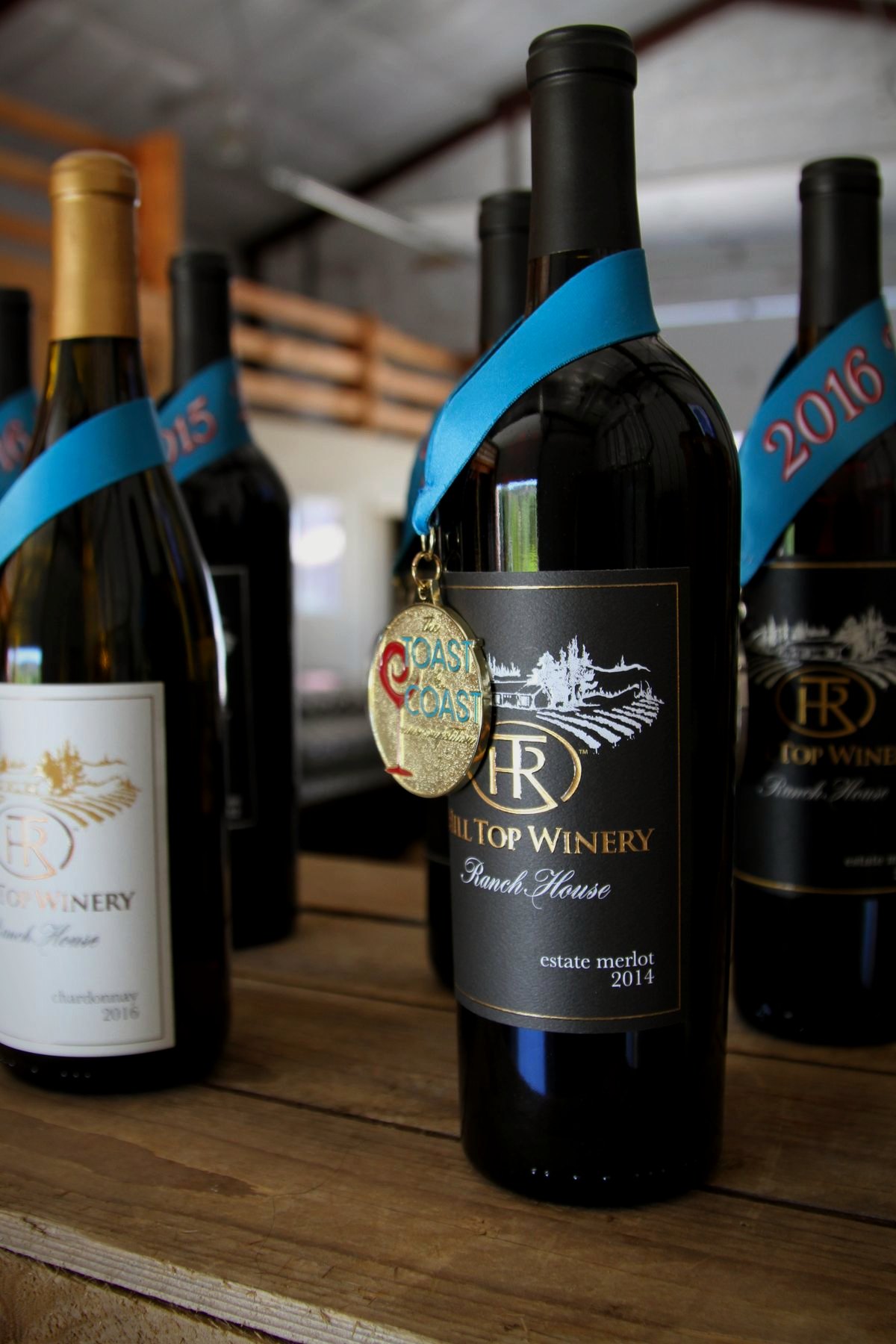
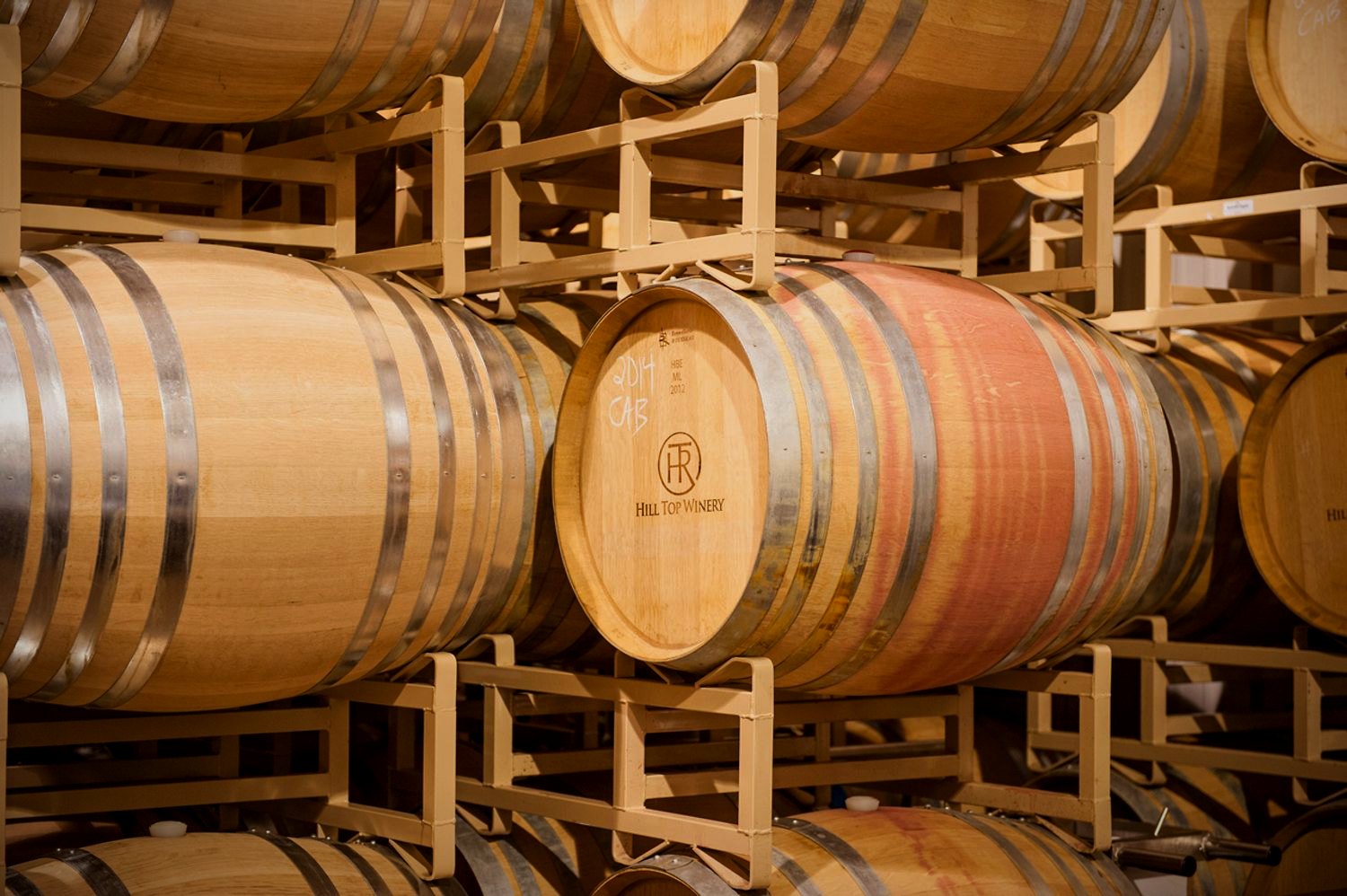
On the flip side, New World wines hail from regions with shorter winemaking histories, like the United States, Argentina, and Australia. These wines typically showcase bolder fruit flavors, higher alcohol content, and a more pronounced use of oak. At Valley Center's Hill Top Winery, the wines crafted include varietals like Cabernet Sauvignon and Chardonnay, each reflecting the vibrant character of California's wine country.
Old World vs New World Wine: Key Differences
Here are some of the primary differences between Old World and New World wines:
- Terroir vs Technique: Old World wines often focus on expressing terroir, while New World wines might prioritize winemaking techniques to enhance fruit flavors.
- Labeling: Old World wines are typically labeled by region (e.g., Bordeaux, Chianti), whereas New World wines are labeled by grape variety (e.g., Merlot, Zinfandel).
- Flavor Profiles: Old World wines usually have more earthy, mineral notes, while New World wines present brighter, fruit-forward flavors.
- Alcohol Content: New World wines often have higher alcohol levels due to warmer growing climates.
Experiencing the Difference at Hill Top Winery
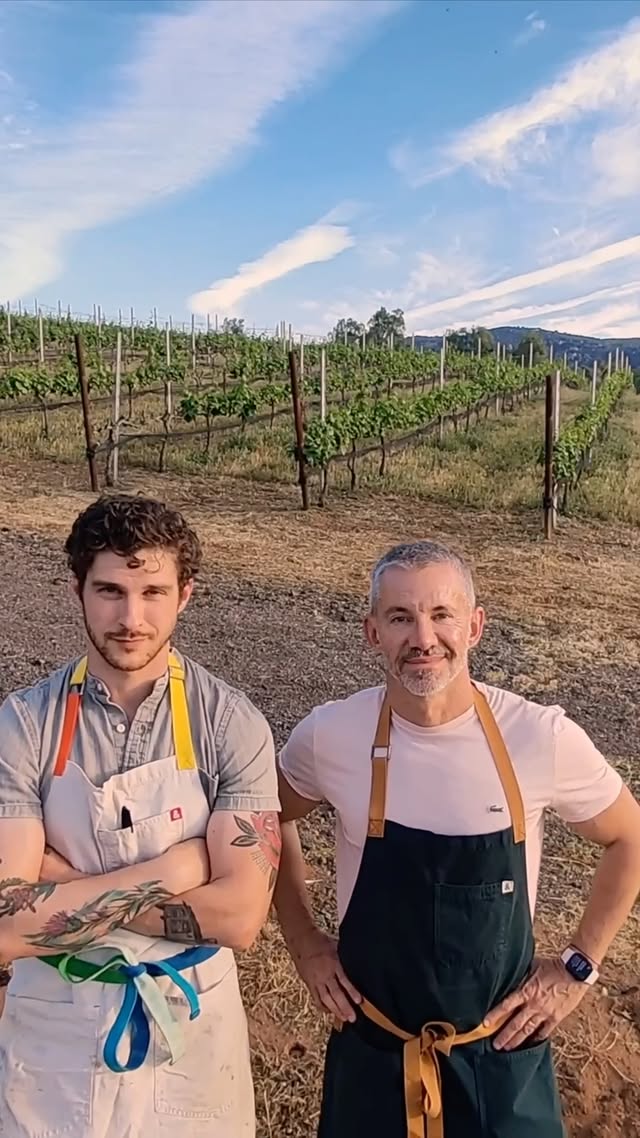
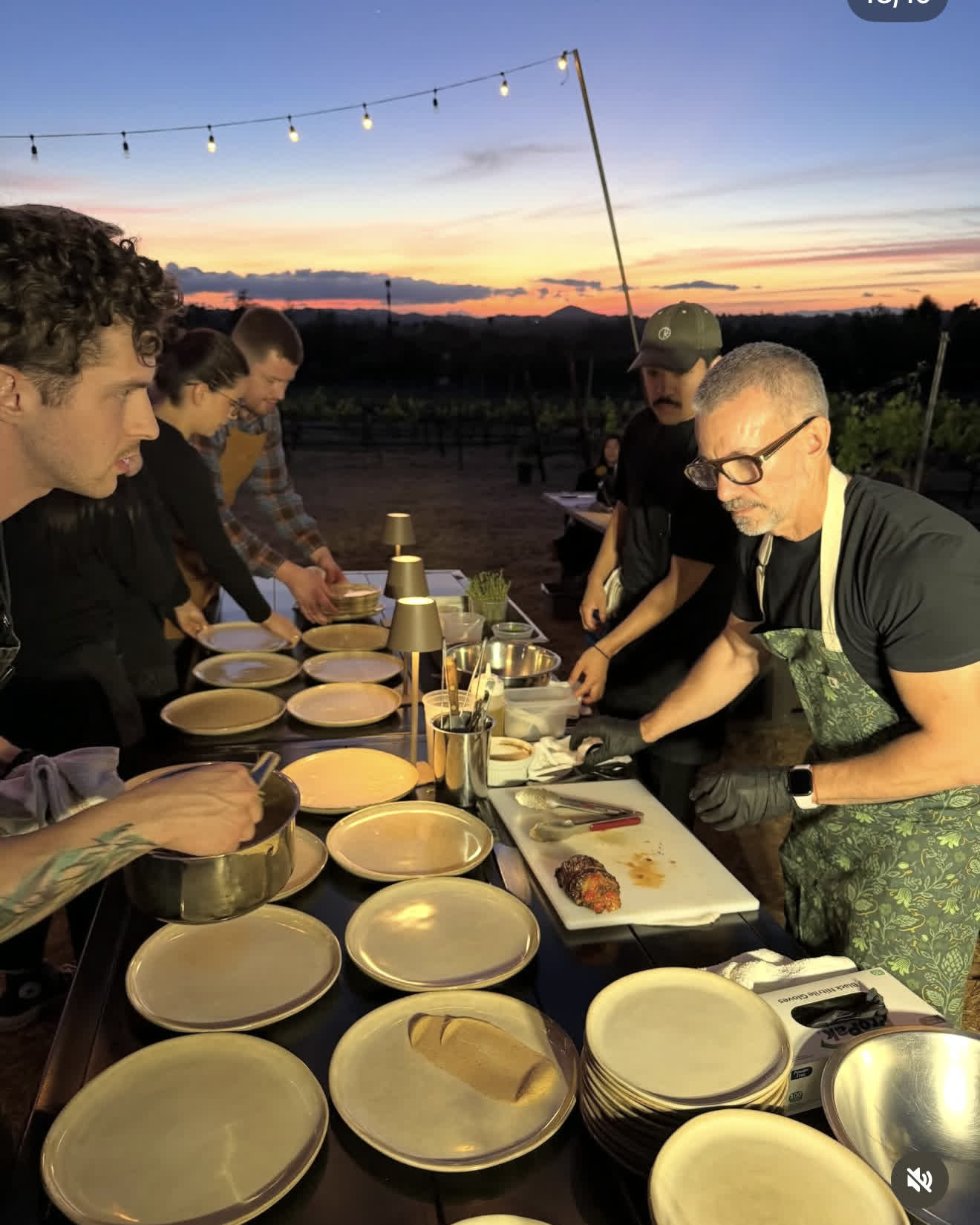
Nestled in the scenic hills of North County San Diego, Hill Top Winery offers a taste of New World winemaking with its selection of wines made in Valley Center. Patrons can enjoy a glass of Sangiovese or Ranch House Red while savoring live-fire Argentine cuisine crafted by Chef Pablo Ranea. The ambiance is elevated with live music every Saturday evening, creating a perfect setting to explore these contrasting wine styles.
For those curious about the full menu or planning a visit, reservations can be made online or by calling (760) 913-1013.
Why It Matters
Understanding the difference between Old World and New World wines can enhance your appreciation and enjoyment of both styles. Whether you’re a fan of the earthy complexity of a French Burgundy or the fruit-forward zest of a New World Syrah, recognizing these distinctions allows you to select wines that match your palate and occasion.
FAQs
Q: What is the main difference in taste between Old World and New World wines?
A: Old World wines tend to have more earthy, mineral flavors, while New World wines are often more fruit-forward and bold.
Q: Why do New World wines generally have higher alcohol content?
A: New World regions typically have warmer climates, which leads to riper grapes and higher sugar content, resulting in higher alcohol levels.
Q: How can I identify an Old World wine label?
A: Old World wines usually feature the region on the label, such as Bordeaux or Chianti, rather than the grape variety.
Q: Are New World wines only from the United States?
A: No, New World wines also come from countries like Argentina, Australia, and South Africa, among others.
Q: Can I try both Old and New World styles at Hill Top Winery?
A: Hill Top Winery specializes in New World wines made in Valley Center, offering a taste of California's vibrant winemaking scene.
For more insights into wines and vineyard experiences, visit the Hill Top Winery Journal.
Frequently asked
What is the main difference in taste between Old World and New World wines?
Old World wines tend to have more earthy, mineral flavors, while New World wines are often more fruit-forward and bold.
Why do New World wines generally have higher alcohol content?
New World regions typically have warmer climates, which leads to riper grapes and higher sugar content, resulting in higher alcohol levels.
How can I identify an Old World wine label?
Old World wines usually feature the region on the label, such as Bordeaux or Chianti, rather than the grape variety.
Are New World wines only from the United States?
No, New World wines also come from countries like Argentina, Australia, and South Africa, among others.
Can I try both Old and New World styles at Hill Top Winery?
Hill Top Winery specializes in New World wines made in Valley Center, offering a taste of California's vibrant winemaking scene.
Argentine fire, Valley Center roots
Taste it on the hilltop.
Live-fire Argentine cooking by Chef Pablo Ranea, paired with Hill Top wine and a sunset over the vines.