How to Read a Wine Label Without Feeling Lost
Decode the mysteries of wine labels and shop with confidence.
Staring at a wall of wine bottles, each sporting a label that looks like a mix of ancient scroll and modern art, can be intimidating. But fear not: understanding wine labels is simpler than you might think.
What Does Vintage Mean on Wine?

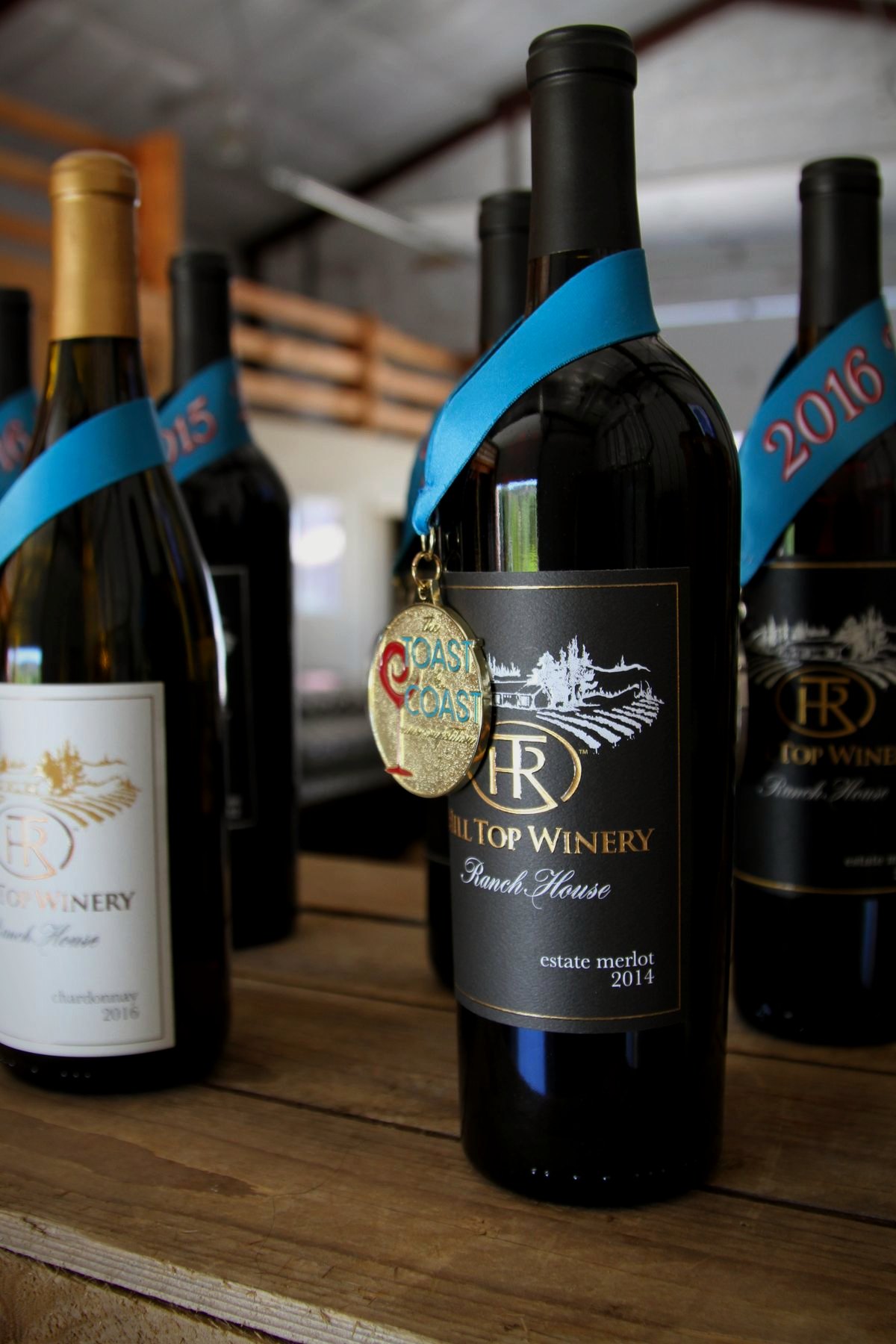
The term vintage refers to the year the grapes were harvested. This is crucial because the quality of the grapes can vary significantly from year to year due to changes in weather conditions. For instance, a 2018 Cabernet Sauvignon from Valley Center might differ in taste from a 2019 of the same varietal. While some wines benefit from aging, others are best enjoyed young, so understanding the vintage can guide your choices.
Decoding Varietals
The varietal is the type of grape used to make the wine. Common varietals include Chardonnay, Cabernet Sauvignon, Merlot, and Syrah. Each has distinct characteristics: Chardonnay is typically full-bodied and buttery, while a Cabernet Sauvignon might be bold and tannic. Hill Top Winery, nestled in the heart of Valley Center, offers varietals like Tempranillo and Sangiovese, providing a taste of both California and Argentine winemaking.
The Importance of Region
The region where the wine is produced can affect its flavor profile. Wines from cooler climates, like those in Northern California, might offer more acidity and subtle flavors, while warmer regions often produce fuller-bodied wines. Understanding the region helps you anticipate the wine's style. At Hill Top Winery, the wines are crafted in Valley Center, a region known for its diverse microclimates that contribute to the unique character of each bottle.
Alcohol by Volume (ABV)
The alcohol by volume (ABV) indicates the strength of the wine. Most wines range from 12% to 15% ABV. A higher ABV typically means a fuller body and richer taste, while lower ABV wines might be lighter and more refreshing. This information can help you choose a wine that suits your taste and the occasion.
Additional Wine Label Terms
- Reserve: Often implies a higher quality wine, but the term isn’t regulated everywhere.
- Bottled By: Indicates where the wine was bottled, which might not be where it was grown or made.
- Produced and Bottled By: Suggests that the winery had more control over the winemaking process.
Enhance Your Wine Experience at Hill Top Winery
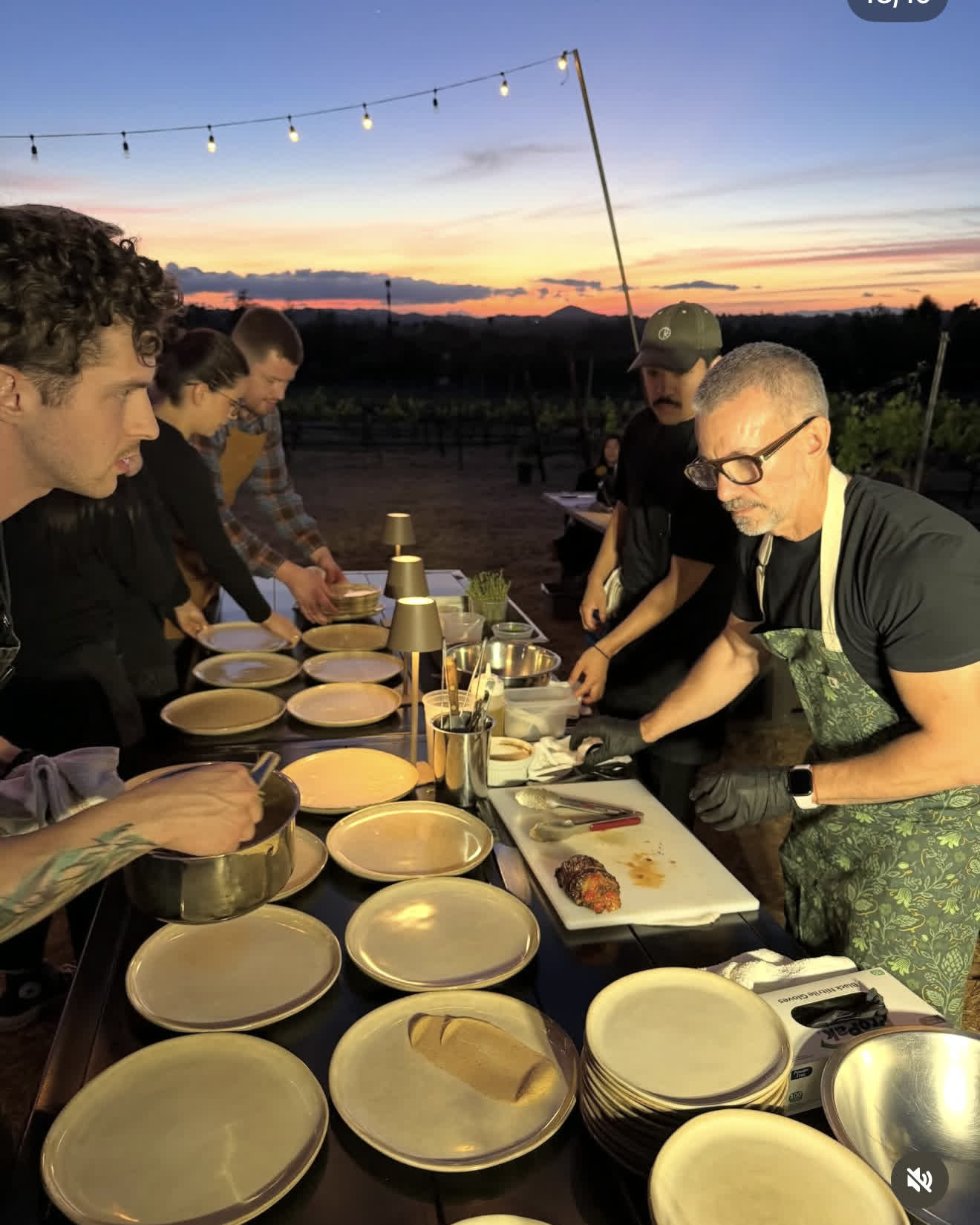
For a hands-on experience with wine, visit Hill Top Winery. Here, you can explore wines made in Valley Center while savoring authentic Argentine cuisine, such as handmade empanadas and grilled octopus. With live music on Saturdays and a stunning vineyard backdrop, Hill Top Winery offers an enriching environment to deepen your understanding of wine.
For more information on their menu, visit here, or to plan your visit, make a reservation here.
Final Thoughts
Whether you are a novice or a seasoned wine enthusiast, understanding wine labels can significantly enhance your enjoyment and selection process. By decoding the vintage, varietal, region, and ABV, you can confidently navigate the wine aisles.
Related Reading: Explore more about wine tasting and pairings on Hill Top Winery's journal.
Frequently asked
What does vintage mean on wine labels?
Vintage refers to the year the grapes were harvested, which can affect the wine's flavor profile.
Why is the region important on a wine label?
The region indicates where the grapes were grown, influencing the wine's style and flavor.
What does ABV mean on wine labels?
ABV stands for alcohol by volume, indicating the wine's strength and body.
What is a varietal on a wine label?
A varietal names the type of grape used in the wine, such as Chardonnay or Cabernet Sauvignon.
What does 'reserve' mean on a wine label?
'Reserve' often suggests a higher quality wine, though it's not universally regulated.
Argentine fire, Valley Center roots
Taste it on the hilltop.
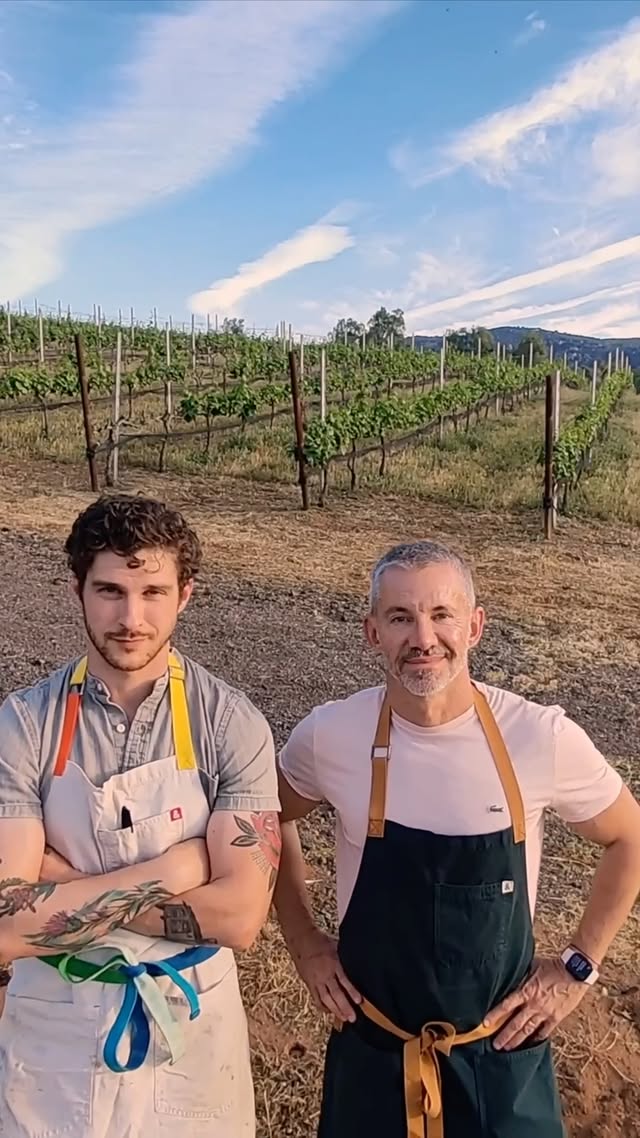
Live-fire Argentine cooking by Chef Pablo Ranea, paired with Hill Top wine and a sunset over the vines.